Boiler Tube Leakage Problems in High-Pressure Systems
Boiler Tube Leakage Problems in High-Pressure Systems
Introduction
In thermal power plants and refinery systems, the reliability of a boiler tube directly affects steam stability, fuel efficiency, and equipment safety. Once a boiler tube starts leaking, the entire production line may slow down or even shut down completely. That is why industrial buyers now pay closer attention to material quality, dimensional accuracy, and long-term heat resistance.
At BEILAI, we manufacture seamless industrial tubes for high-pressure and high-temperature service environments. Our production facilities support multiple alloy grades and heat treatment processes for demanding boiler applications. In recent years, more customers have moved toward durable high pressure boiler tubing, reliable alloy steel boiler tubes, and long-life superheater and reheater tubes because modern energy systems run at much higher temperatures than before.
A stable boiler tube does not only carry steam. It also protects operating efficiency and long-term plant reliability.
Why Boiler Tube Leakage Keeps Happening
A damaged boiler tube rarely fails without warning. Most leakage problems develop slowly under high heat and continuous pressure.
In many thermal systems, scaling builds up inside the boiler tube and reduces heat transfer efficiency. Once heat cannot escape properly, the tube wall temperature rises rapidly. Over time, the metal weakens and small cracks begin to appear.
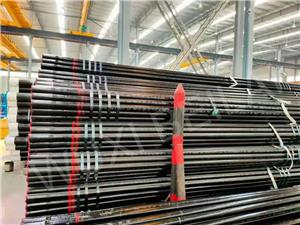
This is exactly why many operators now replace ordinary tubing with stronger high pressure boiler tubing designed for continuous thermal stress. Proper high pressure boiler tubing handles repeated startup and shutdown cycles much more effectively.
Another common issue involves oxidation. In high-temperature areas, low-grade materials lose strength quickly. That explains why industrial plants increasingly choose durable alloy steel boiler tubes for demanding boiler systems. Compared with standard carbon steel, professional alloy steel boiler tubes maintain better creep resistance and structural stability.
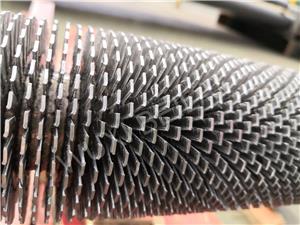
In superheater sections, temperatures become even more aggressive. That is where engineered superheater and reheater tubes play an important role. Reliable superheater and reheater tubes help maintain steam temperature while resisting long-term thermal fatigue.
Fire Tube and Water Tube Systems Work Differently
Many buyers still compare fire tube and water tube systems before purchasing a new boiler tube setup.
Fire tube systems usually fit smaller industrial operations because they operate under lower pressure. Water tube systems support much higher thermal efficiency and stronger steam capacity.
Regardless of system type, the performance of the boiler tube remains critical. Weak materials increase the possibility of leakage and unexpected shutdowns.
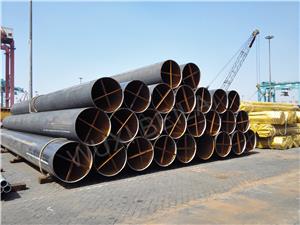
For larger power generation systems, engineers normally recommend stronger high pressure boiler tubing because steam pressure fluctuations remain constant during daily operation. In these environments, reliable high pressure boiler tubing helps reduce long-term maintenance risks.
Meanwhile, high-temperature steam zones rely heavily on professional superheater and reheater tubes. Modern superheater and reheater tubes improve thermal stability and help maintain consistent steam conditions during continuous production.
Material Quality Matters More Than Initial Price
A cheap boiler tube may lower purchasing cost at the beginning, but maintenance expenses usually rise later.
Many refinery operators now prefer premium alloy steel boiler tubes because alloy materials tolerate heat and pressure far more effectively. Professionally manufactured alloy steel boiler tubes also reduce deformation risks in long-term industrial service.
At BEILAI, strict dimensional inspection and heat treatment control remain essential during every boiler tube production stage. Stable metallurgy directly affects the reliability of high pressure boiler tubing and the lifespan of superheater and reheater tubes.
In energy projects, many customers specifically request customized high pressure boiler tubing because operating pressure differs between systems. Others focus more on corrosion resistance and choose upgraded alloy steel boiler tubes for refinery environments.
FAQ
Why does a boiler tube crack near welded sections?
Thermal stress, improper welding, and unstable operating temperatures usually create localized cracking.
Why are high pressure boiler tubing products widely used now?
Modern thermal systems run hotter and under higher pressure. Durable high pressure boiler tubing improves safety and operational reliability.
Do alloy steel boiler tubes last longer?
Yes. High-quality alloy steel boiler tubes resist creep, oxidation, and high-temperature deformation much better than ordinary steel tubing.
Why are superheater and reheater tubes important?
Reliable superheater and reheater tubes stabilize steam temperature and improve long-term boiler efficiency.
Conclusion
A reliable boiler tube protects far more than steam transportation. It supports plant safety, production stability, and long-term operating efficiency.
Whether industrial systems require durable high pressure boiler tubing, advanced alloy steel boiler tubes, or stable superheater and reheater tubes, material consistency and manufacturing quality always determine long-term performance.
With years of seamless tube manufacturing experience, BEILAI continues supplying industrial-grade boiler tube solutions for power plants, refinery systems, and high-temperature thermal projects worldwide.