Finned Tube for Heat Exchangers: Design and Application Tips
Finned Tube for Heat Exchangers: Design and Application Tips
Introduction
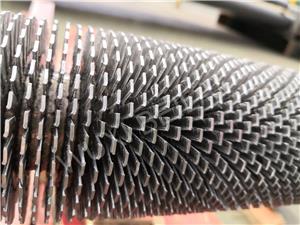
In many industrial systems, heat transfer efficiency directly affects energy cost and equipment lifespan. That's where a finned tube makes a difference. By increasing the external surface area, a finned tube improves heat exchange without requiring larger equipment.
At BEILAI, we've produced different types of finned tube solutions for demanding environments, including power plants, petrochemical units, and air cooling systems. Over time, we've learned that the right design and manufacturing process determine whether a finned tube performs well in real conditions.
In practical applications, customers often look for high efficiency heat transfer tubes, reliable heat exchanger tubing with fins, and durable industrial heat exchanger tubes to ensure stable operation.
Application Scenarios: Where Finned Tubes Work Best
A finned tube is widely used in systems where air-side heat transfer limits efficiency.
In air coolers, a finned tube increases contact between air and the tube surface. This is why many engineers choose industrial heat exchanger tubes for large cooling units.
In heat exchangers, heat exchanger tubing with fins helps transfer heat faster between fluids. A properly designed finned tube improves thermal efficiency without increasing system size.
For high-demand environments, high efficiency heat transfer tubes are often used in waste heat recovery and petrochemical processes. In these cases, every finned tube must maintain stable performance under continuous operation.
Common Pain Points Buyers Face
When choosing a finned tube, buyers usually focus on a few key concerns.
Low heat transfer efficiency
A poorly designed finned tube reduces performance. Many users switch to high efficiency heat transfer tubes to solve this issue.
Durability under harsh conditions
Corrosion and high temperatures affect lifespan. Reliable industrial heat exchanger tubes help extend service life.
Fin bonding quality
If fins separate from the base tube, the finned tube loses efficiency. This is why high-quality heat exchanger tubing with fins matters.
How to Choose the Right Finned Tube
Select the Right Material
Material selection affects how a finned tube performs over time.
Carbon steel for cost-effective solutions
Stainless steel for corrosion resistance
Alloy materials for high-temperature use
At BEILAI, we match materials to real working conditions to ensure each finned tube performs reliably. Many customers prefer industrial heat exchanger tubes that meet strict standards.
Choose the Correct Fin Type
Different structures suit different needs.
Spiral fins for general heat exchange
Longitudinal fins for boilers
Customized designs for special cases
A well-designed finned tube combined with heat exchanger tubing with fins improves overall system efficiency.
Practical Parameter Suggestions
From project experience, a few parameters make a clear difference when selecting a finned tube.
Fin height and spacing
Higher fins increase surface area, but excessive height may reduce airflow. Many high efficiency heat transfer tubes balance this carefully.
Tube diameter and thickness
A stronger base tube improves durability. This is especially important for industrial heat exchanger tubes.
Fin bonding method
Welding quality determines performance. A reliable finned tube depends on strong bonding in heat exchanger tubing with fins.
Common Mistakes to Avoid
In real projects, some issues appear again and again.
Ignoring actual working conditions
A finned tube designed for mild environments may fail in high-temperature systems. Choosing proper industrial heat exchanger tubes avoids this.
Overlooking manufacturing quality
Low-quality production affects performance. High-standard heat exchanger tubing with fins ensures consistency.
Focusing only on initial cost
Cheaper options may reduce efficiency. Investing in high efficiency heat transfer tubes often lowers long-term costs.
Conclusion
A well-designed finned tube does more than improve heat transfer—it helps reduce energy consumption and stabilizes system performance. From our experience at BEILAI, choosing the right finned tube requires balancing material, structure, and application needs.
Reliable high efficiency heat transfer tubes, durable industrial heat exchanger tubes, and precisely manufactured heat exchanger tubing with fins all contribute to better results. When selected correctly, a finned tube becomes a key part of an efficient and long-lasting heat exchange system.