Finned Tubes for Heat Exchangers: Real-World Efficiency
Finned Tubes for Heat Exchangers: Real-World Efficiency
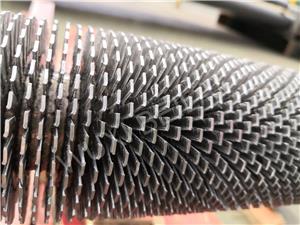
Man, if you've ever tried to make a heat exchanger work better without making it the size of a house, you know finned tubes are the trick. We start with a base tube—like copper for great conductivity, carbon steel for toughness, or stainless for corrosion resistance—and attach fins to the outside. That jacks up the surface area big time, often 10-20 times over plain tubes, which really helps when air or gas is the weak link in heat transfer. Here at BEILAI, we've been making all kinds of finned tubes for ages—extruded aluminum on copper, high-frequency welded steel, embedded G-fins, you get the idea—and we've watched them drop energy costs, fit into cramped spots, and keep chugging in hot, dirty, or corrosive environments without constant fixes.
Where Finned Tubes Get the Most Use
Finned tubes show up in tons of places where air or low-density gases need to swap heat quick. Refineries and gas plants use extended surface heat exchanger finned tubes in air-cooled setups to cool down process streams without water. Boiler economizers rely on heat exchanger tubing with fins to snag waste heat from exhaust gases and preheat boiler feedwater, saving on fuel. Big HVAC systems run high efficiency heat transfer tubes in coils for fast air cooling or heating. Factories grab extra energy from stacks with finned tubes in waste heat recovery units. Offshore rigs cram extended surface heat exchanger finned tubes into tight modules for gas cooling. We've supplied bundles for compressor aftercoolers, oil radiators, and custom dry coolers—basically anywhere you want compact heat exchange that punches above its weight with heat exchanger tubing with fins.
The Headaches That Make People Switch
Folks come to us griping about the same issues: plain tubes mean massive exchangers that eat space and budget to hit the required duty. Fouling clogs fins fast if they're poorly designed, tanking efficiency and forcing shutdowns for blasting clean. Bonds break from vibes or temp changes, fins fall off, and leaks pop up. Corrosion chews through when fins and tubes don't match the environment—aluminum in acidic exhaust goes bad quick. This all leads to bigger fans sucking more power, endless maintenance, and tubes dying early. Finned tubes sort this out—they crank transfer rates with high efficiency heat transfer tubes, space fins right to resist fouling, and secure bonds for longevity in extended surface heat exchanger finned tubes.
From my buyer hat: How much boost in transfer? 5-15x typical on the gas side. Tough enough for fouling? Yeah, welded or extruded handle dirty jobs. Quick ROI? Usually—less energy and smaller size pay back fast.
Picking the Right Finned Tubes
Figure out your fluids and temps first. Extruded fins offer top bond and flow for clean, mid-range duties up to 300°C or so. Grimy gases or higher heat? High-frequency welded or G-fins take the beating better as heat exchanger tubing with fins. Embedded fins grip tight for boiler apps with extreme temps. Base it on process needs—carbon steel finned tubes for general, stainless for corrosives, copper for HVAC conductivity. Fin count: more means area, but overpack and pressure drop or fouling kills it. Tell us your air velocity, temps, fouling risk, and pressures—we at BEILAI tweak the design for peak performance in high efficiency heat transfer tubes.
Specs That Work in Most Cases
Depends on the job, but air coolers often get copper or carbon base extended surface heat exchanger finned tubes—OD 19-50mm, 8-14 fins per inch, heights 10-16mm. Boiler recovery units go steel welded high efficiency heat transfer tubes good to 400°C. Fin thickness 0.3-0.5mm nails strength and flow balance. Tube walls SCH40 or thicker hold pressure. 6-12m lengths cut welds down. We check every run—pull tests on bonds, pressure holds, dim inspections—so your heat exchanger tubing with fins shows up ready to rock.
Mistakes We See Too Often
Using cheap tension-wound fins in shaky or hot spots—they loosen and flop fast; switch to bonded or welded extended surface heat exchanger finned tubes. Too dense fins in dusty air = quick clogs; match to your fouling level in high efficiency heat transfer tubes. Bad material pairs (aluminum fins in sour service) corrode away. No expansion allowance cracks fins over cycles. Forgetting clean access makes upkeep hell. We've bailed out customers on these—give us your details upfront, and we dodge the traps with heat exchanger tubing with fins.
Bottom line: finned tubes give you way more heat transfer without oversizing everything. They slash power draw, squeeze into small spaces, and hang tough better than bare tubes. At BEILAI, our real-world building and testing mean you score finned tubes that deliver. Revamping air coolers, economizers, or exchangers? These extended surface heat exchanger finned tubes, heat exchanger tubing with fins, and high efficiency heat transfer tubes are the upgrade that sticks.