How Do Alloy Steel Boiler Tubes Perform Under High-Temperature Steam Conditions?
How Do Alloy Steel Boiler Tubes Perform Under High-Temperature Steam Conditions?
High-temperature steam places continuous demands on boiler tube materials. As steam temperature and operating pressure increase, tubes must maintain sufficient strength, resist creep deformation, and remain stable during long operating cycles. Ordinary carbon steel may not provide the required performance in every high-temperature section, making alloy steel an important material choice for modern industrial and power plant boilers.
The performance of alloy steel boiler tubes in high-temperature service depends on chemical composition, manufacturing quality, heat treatment, and actual operating conditions. Understanding these factors helps boiler engineers, equipment manufacturers, and procurement teams select suitable materials for superheaters, reheaters, and steam-related systems.
How Does High-Temperature Steam Affect Boiler Tube Performance?
High-temperature steam affects boiler tubes through several interconnected mechanisms. The first is the reduction of mechanical strength as metal temperature rises. A tube operating under internal pressure must maintain enough strength to resist circumferential stress and prevent excessive deformation.
The second concern is creep. Creep is the gradual deformation of metal under sustained stress at elevated temperatures. Unlike sudden mechanical failure, creep damage develops over time. It can cause tube expansion, wall thinning, cracking, and eventually rupture.
This makes alloy steel boiler tubes with creep resistance important in sections exposed to prolonged high-temperature steam. Their material composition and microstructure help maintain mechanical stability under sustained loading.
Oxidation is another concern. High-temperature steam can promote oxide scale formation on the internal tube surface. Excessive scale may reduce heat transfer, increase local metal temperature, and contribute to premature failure. Therefore, alloy steel boiler tubes in high-temperature service must be evaluated for both mechanical performance and resistance to steam-side oxidation.
How Do Alloying Elements Improve High-Temperature Performance?
The performance of alloy steel comes from the controlled addition of elements that improve specific material properties. Chromium and molybdenum are particularly important in many boiler-grade low-alloy steels.
Chromium improves oxidation resistance by helping form a more protective oxide layer. It also contributes to high-temperature strength and resistance to certain forms of corrosion. This makes chromium-containing alloy steel boiler tubes in high-temperature service suitable for demanding boiler heating surfaces.
Molybdenum improves high-temperature strength and helps resist creep deformation. It contributes to the stability of the steel under prolonged thermal and mechanical loading. For this reason, alloy steel boiler tubes with creep resistance commonly use chromium-molybdenum compositions.
Other alloying elements can provide additional benefits. Vanadium and niobium, for example, help strengthen certain advanced steels through carbide and nitride precipitation. Their contribution to microstructural stability is important in grades developed for more demanding temperature and pressure conditions.
The appropriate alloy composition depends on the intended service. Alloy steel boiler tubes with creep resistance should be selected according to design temperature, pressure, expected service life, and applicable material standards rather than chromium content alone.
Which Boiler Applications Require Alloy Steel Tubes?
Different boiler sections experience different combinations of temperature, pressure, and thermal loading. Material selection should reflect the conditions at each location.
Superheaters
Superheaters increase steam temperature beyond the saturation point. Their tubes are exposed to high metal temperatures and internal steam pressure, making creep strength and oxidation resistance essential.
Alloy steel boiler tubes for superheater applications help maintain tube integrity under these demanding conditions. Common ASTM A213 grades include T5, T11, T12, T22, and T91. The correct grade depends on the design temperature, pressure, and required service life.
For procurement teams, alloy steel boiler tubes for superheater applications should be specified with clear requirements for grade, dimensions, wall thickness, heat treatment, and inspection.
Reheaters
Reheaters raise the temperature of steam after its initial expansion through the turbine. Although operating conditions vary by boiler design, reheater tubes still face sustained thermal exposure and pressure loading.
Using alloy steel boiler tubes for superheater applications as a reference point can help engineers compare material options, but reheater selection must be based on its own temperature and pressure conditions. Suitable chromium-molybdenum grades can provide the necessary balance of strength, oxidation resistance, and fabrication performance.
Steam-Related Piping and Boiler Components
Steam-related components connect different boiler sections and transfer steam under demanding operating conditions. Their material requirements depend on pressure, temperature, connection design, and applicable piping standards.
For these components, alloy steel boiler tubes in high-temperature service must be distinguished from alloy steel pipes used in external steam lines. Tube and pipe specifications are not interchangeable simply because their chemical compositions may be similar.
What Should Buyers Check When Selecting Alloy Steel Boiler Tubes?
Selecting a material based only on its nominal grade can lead to problems during installation or long-term operation. Buyers and engineering teams should review the complete technical specification.
· Material grade: Confirm that the selected grade matches the design conditions. ASTM A213 includes several ferritic alloy steel grades used in boiler, superheater, and heat-exchanger applications.
· Operating temperature and pressure: Check the allowable stress and design requirements at the specified metal temperature. Alloy steel boiler tubes with creep resistance must have suitable long-term strength for the intended operating conditions.
· Wall thickness and dimensions: Verify outside diameter, wall thickness, tolerances, and design calculations.
· Manufacturing and heat treatment: Confirm the required manufacturing route and heat-treatment condition.
· Inspection and documentation: Review chemical composition, mechanical test results, dimensional inspection, and relevant material test certificates.
These checks are particularly important when purchasing alloy steel boiler tubes in high-temperature service, because small differences in material condition or wall thickness can affect performance over years of operation.
BEILAI Alloy Steel Boiler Tube Supply
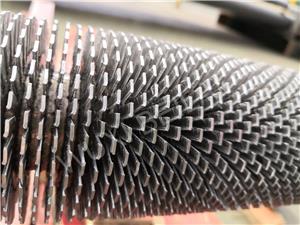
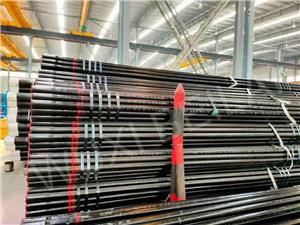
At BEILAI, we supply boiler tubes for pressure-bearing boiler applications, including products manufactured to relevant ASTM/ASME specifications. Our boiler tube range includes ASTM A213 grades T5, T11, T12, T22, and T91, alongside carbon steel options such as ASTM A192 and ASTM A210.
These product options support different boiler applications, including water-wall panels, economizers, reheaters, superheaters, and steam pipelines. For customers sourcing alloy steel boiler tubes for superheater applications, we can discuss the required grade, dimensions, and technical specifications according to the project requirements.
We understand that alloy steel boiler tubes with creep resistance must be selected with careful attention to operating temperature, pressure, and long-term service conditions. Our team can assist buyers in reviewing product specifications and identifying suitable options for their boiler projects.
Visit the BEILAI website to explore our boiler tube products and contact us with your drawings or technical requirements.
Conclusion
High-temperature steam challenges boiler tubes through sustained pressure, creep deformation, oxidation, and thermal stress. Chromium, molybdenum, and other alloying elements help improve the strength and stability required in demanding boiler sections.
Choosing alloy steel boiler tubes in high-temperature service requires a complete assessment of operating conditions, material grade, manufacturing quality, and inspection requirements. With appropriate material selection, alloy steel boiler tubes for superheater applications and other critical boiler components can support reliable operation over extended service periods.