Line Pipe for Oil and Gas Transmission: Selection, Standards & Common Mistakes
Line Pipe for Oil and Gas Transmission: Selection, Standards & Common Mistakes
Introduction
A reliable line pipe keeps an energy project running safely for years. In oil fields, natural gas systems, and long-distance transmission projects, engineers pay close attention to pipe strength, corrosion resistance, and dimensional stability. Once a pipeline fails, repair costs rise quickly and shutdown losses become difficult to control.
At BEILAI, we manufacture industrial piping products based on real project requirements, not just catalog specifications. A quality line pipe should handle pressure changes, harsh weather, and continuous fluid transportation without creating long-term maintenance problems.
Application Scenarios for Line Pipe
A line pipe serves as the core transportation channel inside energy systems.
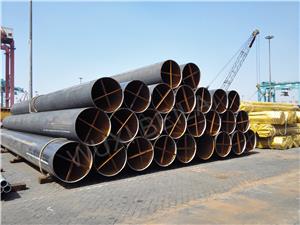
In upstream projects, oil and gas transmission pipe moves crude oil and natural gas between production facilities and storage terminals. Many operators select api line pipe for oil and gas because international projects usually require strict compliance with API standards.
Large energy companies also prefer pipeline grade carbon steel pipe for long-distance projects due to its balance between strength and cost efficiency. In practical operation, a properly manufactured line pipe improves transportation stability and reduces leakage risks.
At BEILAI, we often see customers use oil and gas transmission pipe in desert areas, offshore projects, and cold-weather environments where reliability matters more than anything else.
Common Problems Buyers Often Face
Corrosion During Long-Term Service
Corrosion remains one of the biggest risks for any line pipe system. Poor material quality can shorten pipeline life quickly.
That’s why many companies choose certified pipeline grade carbon steel pipe for demanding transportation conditions. Compared with ordinary pipe, high-grade api line pipe for oil and gas performs more consistently under pressure and environmental stress.
Pressure and Leakage Issues
Pressure instability can damage a line pipe over time. In many projects, insufficient wall thickness or low-grade steel causes unexpected failures.
Reliable oil and gas transmission pipe products help reduce these risks during continuous operation.
Inconsistent Manufacturing Quality
Not every supplier controls quality the same way. Experienced manufacturers usually maintain better dimensional accuracy and material consistency for api line pipe for oil and gas systems.
How to Choose the Right Line Pipe
Focus on Material Strength
The material directly affects the durability of a line pipe.
Standard transportation systems → carbon steel
High-pressure systems → pipeline grade carbon steel pipe
Critical energy projects → certified api line pipe for oil and gas
At BEILAI, we recommend selecting materials based on actual operating conditions instead of only looking at initial price.
Match the Pipe to the Environment
Different projects require different types of line pipe.
Long-distance transportation → oil and gas transmission pipe
High-pressure energy systems → api line pipe for oil and gas
Heavy-duty infrastructure → pipeline grade carbon steel pipe
A correctly selected line pipe usually lasts much longer and reduces maintenance frequency.
Practical Parameter Suggestions
Wall Thickness
A thicker line pipe generally provides better pressure resistance in oil and gas transmission pipe projects.
Dimensional Accuracy
Accurate dimensions improve welding performance and installation efficiency for api line pipe for oil and gas systems.
Material Stability
Stable material composition is essential for reliable pipeline grade carbon steel pipe performance during long-term operation.
At BEILAI, every line pipe goes through inspection procedures to ensure stable quality before shipment.
Common Mistakes to Avoid
Choosing Based Only on Price
Low-cost products sometimes create higher maintenance costs later. Many buyers eventually switch to certified api line pipe for oil and gas after facing repeated operational problems.
Ignoring Environmental Conditions
Some projects use ordinary pipe instead of specialized oil and gas transmission pipe, which increases corrosion risks.
Overlooking Standards
Not every line pipe meets industrial standards consistently. Reliable pipeline grade carbon steel pipe products usually perform better over long operating cycles.
Conclusion
A dependable line pipe plays a critical role in every energy transportation system, and material quality and manufacturing experience make a real difference.
At BEILAI, we focus on supplying industrial-grade line pipe solutions designed for demanding energy applications and long-term operational reliability.