Why Does Boiler Tube Corrosion Occur Faster in Some Boiler Sections Than Others?
Why Does Boiler Tube Corrosion Occur Faster in Some Boiler Sections Than Others?
Boiler tube corrosion does not occur uniformly throughout a boiler. Water wall tubes, economizer tubes, superheater tubes, and reheater tubes face different temperatures, heat loads, gas compositions, and flow conditions. These differences influence corrosion rates, deposit formation, and the service life of boiler components.
Understanding boiler tube corrosion in water wall tubes, boiler tube corrosion in economizer tubes, and boiler tube corrosion in superheater tubes helps operators identify vulnerable areas and select suitable replacement materials. Even tubes made from similar steel grades can experience different damage because their installation positions expose them to different operating conditions.
1. Water Wall Tubes: High Heat Flux and Furnace Exposure
Water wall tubes line the furnace and absorb radiant heat from combustion. Their external surfaces may encounter flame radiation, ash deposits, sulfur-containing gases, and locally reducing atmospheres.
Boiler tube corrosion in water wall tubes can accelerate when combustion becomes uneven or corrosive deposits accumulate. Poor air distribution and localized hot spots may increase metal temperatures and contribute to oxidation or fireside corrosion.
Water-side conditions matter as well. Inadequate circulation, dissolved oxygen, and deposits can damage protective oxide layers or contribute to localized overheating. Therefore, boiler tube corrosion in water wall tubes requires attention to both furnace conditions and boiler water chemistry.
Operators should monitor combustion balance, circulation, deposit formation, and tube-wall temperatures. Regular inspections can help identify localized thinning before it develops into a tube leak.
2. Economizer Tubes: Low-Temperature and Water-Side Corrosion
Economizer tubes recover heat from flue gas to warm boiler feedwater. Although they generally operate at lower temperatures than superheater tubes, they can face significant corrosion risks.
Boiler tube corrosion in economizer tubes may result from cold-end corrosion when metal or gas temperatures fall below the relevant acid dew point. Sulfur-containing fuels can create conditions in which acidic compounds condense on tube surfaces. The actual risk depends on fuel composition, flue-gas chemistry, and operating temperatures.
Water-side corrosion is another concern. Dissolved oxygen can cause pitting, while poor feedwater treatment and deposits can promote localized damage. High-velocity flow or disturbed flow near bends may also contribute to erosion.
To control boiler tube corrosion in economizer tubes, operators should maintain appropriate feedwater chemistry, manage cold-end temperatures, and inspect vulnerable inlet areas. These measures help address both water-side and fireside damage.
3. Superheater and Reheater Tubes: High-Temperature Attack
Superheater tubes raise steam temperature after evaporation, while reheater tubes heat steam again after its initial expansion through the turbine. Both sections operate under demanding thermal conditions.
Boiler tube corrosion in superheater tubes often involves high-temperature oxidation or fireside corrosion caused by aggressive ash deposits. Depending on the fuel, deposits may contain sulfur, chlorine, alkali metals, and other compounds that react with the tube surface.
High metal temperatures can accelerate oxidation and weaken protective oxide scales. When deposits become chemically aggressive, corrosion may progress faster, particularly in areas exposed to uneven gas flow or localized overheating.
Reheater tubes can experience similar damage, although their precise exposure depends on boiler design and operating conditions. Managing boiler tube corrosion in superheater tubes requires evaluating metal temperature, fuel chemistry, deposit composition, and the suitability of the selected alloy.
4. Why Do Temperature, Deposits, and Flow Matter?
Flue-gas temperature and tube-wall temperature are not identical. Heat flux, steam or water flow, tube geometry, and deposit thickness all influence the temperature reached by the metal.
Deposits can retain corrosive compounds and interfere with heat transfer. Thick deposits may raise local metal temperatures, while uneven gas flow can expose individual tube rows to hotter or more chemically aggressive conditions.
These factors explain why boiler tube corrosion in water wall tubes may concentrate in furnace areas with unfavorable combustion, while boiler tube corrosion in economizer tubes may be more severe near cold-end surfaces. Meanwhile, boiler tube corrosion in superheater tubes can accelerate in hot regions exposed to corrosive ash.
Flow conditions also affect damage. Poor water circulation can contribute to overheating, whereas uneven flue-gas flow can create hot spots. Corrosion therefore results from the combined effects of temperature, chemistry, deposits, and fluid movement rather than any single factor.
5. Why Can the Same Steel Grade Perform Differently?
A steel grade that performs adequately in one boiler section may not provide the same service life elsewhere. Each section experiences a different combination of temperature, pressure, fluid chemistry, and mechanical stress.
For example, carbon steel may suit a specified economizer application but be unsuitable for a superheater operating at a much higher metal temperature. Higher-alloy steel may offer better high-temperature performance, but it cannot eliminate damage caused by poor water chemistry or unsuitable operating conditions.
Diagnosing boiler tube corrosion in water wall tubes requires examining furnace conditions and water-side deposits. Investigating boiler tube corrosion in economizer tubes requires checking feedwater chemistry and cold-end operating temperatures. For boiler tube corrosion in superheater tubes, inspectors should evaluate metal temperatures, ash chemistry, and remaining wall thickness.
6. Select Boiler Tubes for Each Application
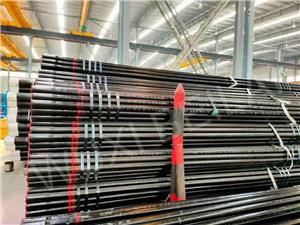
BEILAI's boiler tube product range includes seamless carbon steel and alloy steel tubes for water walls, economizers, superheaters, and reheaters. Listed materials and standards include ASME/ASTM SA/A192, SA/A210, and SA/A213 grades such as T5, T11, T12, T22, and T91.
When addressing boiler tube corrosion in water wall tubes, buyers should verify material requirements against furnace exposure, water chemistry, and design conditions. For boiler tube corrosion in economizer tubes, feedwater conditions and cold-end corrosion risks should inform the specification.
For boiler tube corrosion in superheater tubes, material selection should reflect design metal temperature, steam conditions, and fireside exposure. Buyers should confirm the required grade, dimensions, wall thickness, applicable standards, and inspection documentation with the manufacturer.
Conclusion
Different boiler sections corrode at different rates because they experience different heat loads, temperatures, flow patterns, and corrosive substances. Water walls face furnace-related damage, economizers may suffer cold-end and water-side corrosion, and superheaters and reheaters encounter demanding high-temperature conditions.
Understanding boiler tube corrosion in water wall tubes, boiler tube corrosion in economizer tubes, and boiler tube corrosion in superheater tubes helps operators investigate failures and select appropriate replacement materials. Combining suitable material selection with effective combustion control, water treatment, deposit management, and regular inspection can help extend boiler tube service life.