Product News
-
2905-2026
Long-Distance Oil & Gas Transmission: Line Pipe Performance and Standards
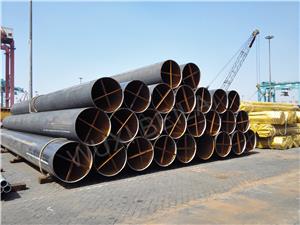
A line pipe is designed to move oil, gas, and other fluids under pressure over long distances. That's why engineers usually rely on proven oil and gas transmission pipe, durable pipeline grade carbon steel pipe, and certified api line pipe for oil and gas when building critical systems.
-
2605-2026
How to Choose Copper Nickel Tube for Long-Term Use
If you've ever dealt with seawater systems, you already know one thing—materials don't get a second chance. Once corrosion starts, it spreads fast. That's exactly why the copper-nickel tube is so widely used in marine environments. From what we've handled at BEILAI, a well-made copper-nickel tube doesn't just perform well on paper—it keeps running without constant attention.
-
2205-2026
Boiler Tube for High Temperature and Pressure: Material and Failure Prevention
In boiler systems, most problems don't start with the equipment—they start with the boiler tube. Once a boiler tube fails, the whole system feels it immediately. From what we've seen at BEILAI, choosing the right boiler tube early makes daily operation much more stable.
-
2005-2026
Finned Tube for Heat Exchangers: Design and Application Tips
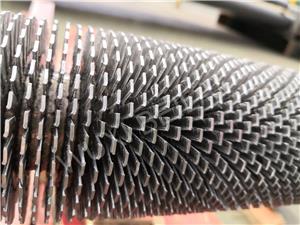
At BEILAI, we've produced different types of finned tube solutions for demanding environments, including power plants, petrochemical units, and air cooling systems. Over time, we've learned that the right design and manufacturing process determine whether a finned tube performs well in real conditions.
-
1805-2026
Tubing and Casing for Oil Well Integrity: OCTG Selection Guide
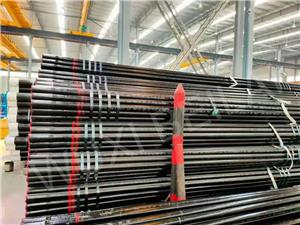
In oil and gas projects, people often focus on drilling equipment, but the real foundation of a well is the tubing casing. Once a tubing casing has an issue, the entire operation can be affected. At BEILAI, we've worked with different field conditions, and we've seen how a properly selected tubing casing can keep a project stable for years.
-
1505-2026
Alloy Steel Pipe for High Pressure and Corrosive Environments
Compared with standard materials, an alloy steel pipe handles higher temperature and pressure much better. That's why engineers tend to choose seamless alloy steel pipes, stable alloy steel pipe for high pressure, and durable corrosion resistant alloy steel pipes when the working conditions are not easy.
-
1305-2026
Low Temperature Pipe for Cryogenic Service: Material and Selection
When temperatures drop below freezing, not every pipe can handle the job. In fact, many standard materials become brittle and unsafe. That's where a low temperature pipe comes in. At BEILAI, we've worked on multiple projects where selecting the right low temperature pipe made the difference between stable operation and unexpected failure. From LNG systems to cold-region pipelines, a reliable low temperature pipe must maintain strength, toughness, and consistency under extreme conditions.
-
1105-2026
Seamless Steel Tube for Oil, Gas & Machinery: Performance Guide
Compared with welded pipes, a tube doesn't have weak points along the seam. That's why engineers often prefer seamless carbon steel tubes, stronger seamless alloy steel tubing, and reliable seamless steel tubes for pressure service when the application is demanding.
-
0805-2026
Line Pipe Selection and Application Essentials for Oil & Gas Transport
Whether it's long-distance oil transport or natural gas delivery, engineers usually look for stable api line pipe for oil and gas, reliable carbon steel line pipes, and durable corrosion resistant line pipe options that can hold up over time. On paper, many products look similar. In real use, the difference shows quickly.
-
0605-2026
Copper Nickel Tube for Marine Cooling Systems | BEILAI
At BEILAI, we've supplied copper nickel tube products for years, especially for cooling and heat exchange systems where reliability matters more than anything else. In practice, a well-made copper nickel tube doesn't just transfer heat—it keeps systems running longer with fewer interruptions.