Copper Nickel Tube for Marine Cooling Systems | BEILAI
Copper Nickel Tube for Marine Cooling Systems | BEILAI
Introduction
If you've worked with seawater systems, you already know how aggressive the environment can be. Salt, oxygen, and biological fouling constantly attack metal surfaces. That's exactly why a copper nickel tube has become a go-to option in marine and offshore applications. At BEILAI, we've supplied copper nickel tube products for years, especially for cooling and heat exchange systems where reliability matters more than anything else. In practice, a well-made copper nickel tube doesn't just transfer heat—it keeps systems running longer with fewer interruptions.
Our clients often choose copper nickel tubes for heat exchangers, seawater cooling system tubes, and corrosion resistant marine tubing because these solutions perform consistently in real seawater conditions, not just in lab tests.
Application Scenarios: Where Copper Nickel Tube Performs Best
A copper nickel tube shows its real value in seawater environments. You'll typically find a copper nickel tube used in shipbuilding, offshore platforms, and desalination plants.
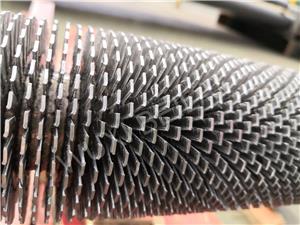
In cooling systems, seawater cooling system tubes play a key role in maintaining stable temperatures. A reliable copper nickel tube improves efficiency and reduces maintenance frequency. In heat exchangers, many engineers prefer copper nickel tubes for heat exchangers because they combine thermal conductivity with corrosion resistance.
Marine engineers also rely heavily on corrosion resistant marine tubing when designing long-life systems. In these scenarios, every copper nickel tube must handle continuous exposure to saltwater without degrading quickly. From our experience, choosing the right copper nickel tube early in the project prevents a lot of operational issues later.
Pain Points Buyers Often Face
When selecting a copper nickel tube, most buyers focus on a few key concerns.
Seawater corrosion
Saltwater can destroy standard materials quickly. A high-quality copper nickel tube provides better resistance, which is why corrosion resistant marine tubing is widely used.
Biofouling issues
Marine growth reduces efficiency over time. Many seawater cooling system tubes made from copper-nickel alloys naturally resist fouling, which keeps performance stable.
Frequent replacement
Low-quality materials lead to frequent downtime. Reliable copper nickel tubes for heat exchangers extend service life and reduce maintenance costs.
How to Choose the Right Copper Nickel Tube
Alloy Composition Matters
Not all copper nickel tube products are the same. The most common grades include 90/10 and 70/30 alloys.
From what we've seen, 90/10 works well in moderate conditions, while 70/30 offers better strength and corrosion resistance. Choosing the right copper nickel tube ensures your corrosion resistant marine tubing performs as expected.
Match the Tube to the Application
Different systems require different types of copper nickel tube.
Cooling systems rely on seawater cooling system tubes
Heat exchangers require copper nickel tubes for heat exchangers
Marine structures depend on corrosion resistant marine tubing
Selecting the correct copper nickel tube improves both efficiency and durability.
Practical Parameter Suggestions
When evaluating a copper nickel tube, a few practical factors make a real difference.
Wall thickness
A thicker copper nickel tube handles pressure better but may affect heat transfer. Many copper nickel tubes for heat exchangers balance strength and efficiency.
Flow conditions
Proper flow helps seawater cooling system tubes resist fouling and maintain performance.
Material quality
A high-grade copper nickel tube ensures long-term resistance. Well-produced corrosion resistant marine tubing performs better in harsh seawater environments.
Common Mistakes to Avoid
Even experienced buyers sometimes overlook important details when choosing a copper nickel tube.
Choosing based only on cost
A cheaper copper nickel tube may fail faster. Investing in reliable copper nickel tubes for heat exchangers usually reduces long-term costs.
Ignoring seawater conditions
Not every copper nickel tube suits all environments. Proper seawater cooling system tubes should match real operating conditions.
Overlooking alloy selection
Using the wrong alloy instead of proper corrosion resistant marine tubing can shorten service life significantly.
Conclusion
From our experience at BEILAI, a well-selected copper nickel tube can make a noticeable difference in system reliability. Whether you're working on offshore platforms or cooling systems, the right copper nickel tube helps reduce maintenance, improve efficiency, and extend service life.
Proven copper nickel tubes for heat exchangers, durable seawater cooling system tubes, and stable corrosion resistant marine tubing remain the preferred choice for demanding marine applications. In the end, investing in the right copper nickel tube means fewer problems and better long-term performance.