Line Pipe Selection and Application Essentials for Oil & Gas Transport
Line Pipe Selection and Application Essentials for Oil & Gas Transport
Introduction
In pipeline projects, people often focus on pumps, valves, or system layout. But in reality, the most critical part is still the line pipe itself. Once a pipeline goes wrong, the entire system feels it immediately. At BEILAI, we've been involved in supplying line pipe for different energy projects, and one thing is clear from experience: choosing the right pipeline early saves a lot of trouble later.
Whether it's long-distance oil transport or natural gas delivery, engineers usually look for stable api line pipe for oil and gas, reliable carbon steel line pipes, and durable corrosion resistant line pipe options that can hold up over time. On paper, many products look similar. In real use, the difference shows quickly.
Application Scenarios: Where Line Pipe Really Works
A line pipe doesn't work in isolation. It runs continuously, often for years, carrying oil, gas, or other fluids under pressure. In long-distance projects, every section of pipeline has to stay consistent.
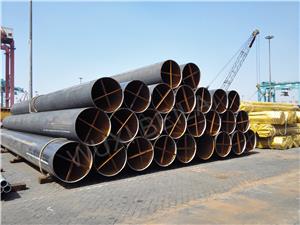
For oil and gas transport, api line pipe for oil and gas is almost the default choice. It gives engineers a level of confidence because it follows recognized standards. In more common environments, carbon steel line pipes still dominate because they balance cost and performance well.
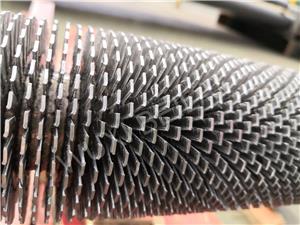
Things get more complicated in coastal or corrosive areas. That's where corrosion resistant line pipe becomes important. A standard line pipe may work at first, but over time, corrosion starts to show. We've seen projects where upgrading the pipeline material solved ongoing maintenance issues almost immediately.
Pain Points People Actually Run Into
If you talk to project managers or buyers, their concerns about line pipe are usually quite practical.
Pressure-related failures
A line pipe that cannot handle real pressure conditions won't last long. This is why many teams insist on api line pipe for oil and gas for critical sections.
Corrosion over time
Even a good-looking line pipe can degrade quickly in harsh environments. Using corrosion resistant line pipe helps avoid frequent replacements.
Quality inconsistency
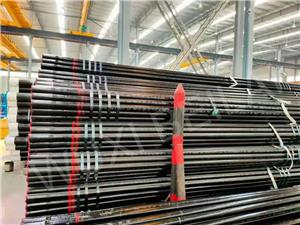
Not all line pipe products are consistent from batch to batch. Reliable carbon steel line pipes should maintain stable mechanical properties throughout.
How to Choose the Right Line Pipe
Start with the Standard
From a practical point of view, standards matter. A pipeline that meets API requirements gives you a safer starting point. That's why api line pipe for oil and gas is widely used in serious projects.
For less demanding conditions, carbon steel line pipes still do the job well. The key is to match the line pipe to actual operating conditions, not just specifications on paper.
Think About the Environment
Every line pipe works in a different environment.
Long-distance oil transport → api line pipe for oil and gas
General fluid transport → carbon steel line pipes
Corrosive or offshore areas → corrosion resistant line pipe
Making the right call here helps the pipeline last longer and reduces unexpected issues.
Parameter Suggestions from Real Projects
When people choose a pipeline, they usually look at a few core factors.
Wall thickness
A thicker line pipe handles higher pressure, but it also increases cost. Most carbon steel line pipes aim for a balance between safety and efficiency.
Diameter
The size of the pipeline should match the flow requirement. Oversizing doesn't always improve performance.
Surface protection
For harsh environments, upgrading to a corrosion resistant line pipe or adding coatings makes a noticeable difference over time.
Common Mistakes to Avoid
Some mistakes come up again and again when selecting a line pipe.
Going for the lowest price
A cheap pipeline might look attractive at first, but maintenance costs add up. In many cases, api line pipe for oil and gas offers better long-term value.
Ignoring real conditions
A line pipe that works in theory may fail in practice. Choosing the right corrosion resistant line pipe prevents early damage.
Not checking standards
Using non-compliant pipeline creates risks. Sticking with tested carbon steel line pipes helps ensure consistency.
Conclusion
From what we've seen at BEILAI, most pipeline problems don't come from complex systems—they come from basic choices, like the wrong line pipe. A well-matched pipeline keeps operations stable and reduces long-term costs.
In real applications, dependable api line pipe for oil and gas, solid carbon steel line pipes, and properly selected corrosion resistant line pipe options make all the difference. A good pipeline doesn't draw attention—but it keeps everything running the way it should.