Finned Tube Solutions for Industrial Heat Transfer Systems
Finned Tube Solutions for Industrial Heat Transfer Systems
Introduction
In heat exchange systems, efficiency usually comes down to one thing—surface area. That’s the reason the finned tube is used so widely across industries today. A properly designed finned tube improves heat transfer without making the whole system larger or more complicated.
At BEILAI, we’ve worked with different types of finned tube solutions for power plants, air coolers, petrochemical systems, and waste heat recovery units. In real projects, customers often ask about welded fin tubes, reliable finned tube heat exchanger performance, and durable extruded fin tubes because those details directly affect operating cost and maintenance cycles.
Application Scenarios: Where Finned Tube Performs Best
A finned tube usually works in systems where normal tubing cannot transfer enough heat efficiently.
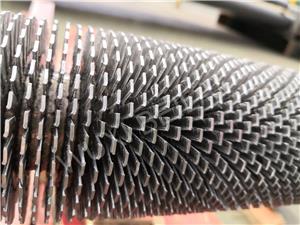
In air coolers, a finned tube increases the contact area between air and the tube surface. Many systems rely on finned tube heat exchanger designs to improve cooling efficiency without increasing equipment size. In industrial heating systems, welded fin tubes are often selected because they maintain stable fin bonding under continuous operation.
For corrosive or demanding environments, extruded fin tubes are commonly used due to their strong mechanical bonding and long service life. From what we’ve seen, selecting the right finned tube early makes the whole heat exchange system easier to operate later on.
Pain Points Buyers Usually Mention
When customers choose a finned tube, they normally focus on a few practical concerns.
Low heat transfer efficiency
A poorly designed finned tube reduces system performance. This is why many engineers pay close attention to finned tube heat exchanger structure and fin spacing.
Fin separation problems
If the fins loosen, the finned tube loses efficiency quickly. Reliable welded fin tubes help avoid this issue.
Short service life
In corrosive environments, standard products may fail early. Many users choose extruded fin tubes because they tend to last longer under harsh conditions.
How to Choose the Right Finned Tube
Start with the Fin Structure
Different systems require different finned tube designs.
· Welded fin tubes for high-temperature industrial systems
· Extruded fin tubes for corrosion resistance
· Spiral structures for air coolers and waste heat recovery
From our experience, choosing the right structure improves finned tube heat exchanger performance significantly.
Match the Material to the Environment
Material selection matters just as much as structure. A finned tube operating in dry air conditions may use carbon steel, while offshore or corrosive environments usually require stainless steel or aluminum-based extruded fin tubes.
A properly matched finned tube generally lasts longer and maintains more stable heat transfer.
Practical Parameter Suggestions
In real projects, several details affect how well a finned tube performs.
Fin spacing
The spacing directly influences airflow and heat transfer. Good finned tube heat exchanger designs balance fin density with airflow resistance.
Tube thickness
A thicker finned tube improves strength, especially in industrial applications using welded fin tubes.
Bonding quality
Poor bonding reduces efficiency over time. Reliable extruded fin tubes and properly manufactured welded fin tubes usually maintain better long-term performance.
Common Mistakes to Avoid
Some problems appear repeatedly when selecting a finned tube.
Focusing only on initial cost
A cheap finned tube may reduce efficiency and increase maintenance later. Investing in quality finned tube heat exchanger products usually saves money long term.
Ignoring actual operating conditions
A finned tube designed for mild environments may fail in high-temperature systems. Proper welded fin tubes help avoid that problem.
Choosing the wrong fin type
Not every finned tube suits every application. In corrosive systems, extruded fin tubes often perform better.
Conclusion
From what we’ve seen at BEILAI, heat exchange performance often depends on small design details. A properly selected finned tube improves efficiency, reduces downtime, and helps stabilize long-term operation.
Reliable finned tube heat exchanger systems, durable welded fin tubes, and high-quality extruded fin tubes all contribute to better thermal performance. In the end, a good finned tube simply keeps the system running efficiently without creating extra maintenance problems.