Long-Distance Oil & Gas Transmission: Line Pipe Performance and Standards
Long-Distance Oil & Gas Transmission: Line Pipe Performance and Standards
Introduction
In pipeline projects, people often focus on route design and installation, but the real foundation is still the line pipe itself. Once a line pipe shows weakness, the whole system feels it immediately. From what we've seen at BEILAI, a reliable line pipe keeps operations stable, especially in long-distance transport.
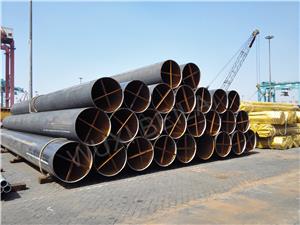
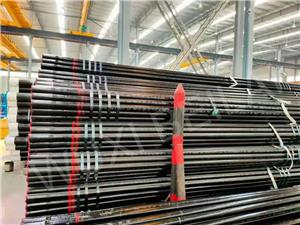
A line pipe is designed to move oil, gas, and other fluids under pressure over long distances. That's why engineers usually rely on proven oil and gas transmission pipe, durable pipeline grade carbon steel pipe, and certified api line pipe for oil and gas when building critical systems.
Application Scenarios: Where Line Pipe Is Used
A line pipe is mainly used in energy transport systems, where stability and safety matter most.
In oil and gas fields, a line pipe carries hydrocarbons across long distances. Many systems depend on oil and gas transmission pipe to maintain continuous flow. In natural gas networks, api line pipe for oil and gas ensures the pipeline meets strict standards.
For large infrastructure projects, pipeline grade carbon steel pipe is widely used because it offers a good balance of strength and cost. From our experience, selecting the right line pipe at the beginning reduces maintenance and improves long-term reliability.
Pain Points Buyers Often Face
When choosing a line pipe, buyers usually focus on practical risks.
Corrosion over time
A poorly selected line pipe may degrade quickly. This is why many projects choose pipeline grade carbon steel pipe with proper treatment.
Pressure and strength issues
A weak line pipe may fail under real operating conditions. Certified api line pipe for oil and gas helps ensure performance.
Inconsistent quality
Not every line pipe meets the same standards. Reliable oil and gas transmission pipe products usually perform more consistently.
How to Choose the Right Line Pipe
Material Selection
Material plays a key role in how a line pipe performs. Most systems use pipeline grade carbon steel pipe because it provides strength and durability.
For critical applications, many engineers prefer api line pipe for oil and gas, since it meets industry standards. From what we've seen, selecting the right material ensures the line pipe handles real conditions effectively.
Practical Parameter Suggestions
When evaluating a line pipe, a few details make a real difference.
Wall thickness
A thicker line pipe handles higher pressure but increases cost. Many pipeline grade carbon steel pipe designs balance these factors.
Diameter selection
The correct diameter ensures proper flow. A well-sized line pipe improves system efficiency.
Quality standards
Following standards is essential. Certified api line pipe for oil and gas ensures the line pipe meets required performance levels.
Common Mistakes to Avoid
Some issues come up repeatedly when selecting a line pipe.
Choosing based only on price
A cheaper line pipe may lead to higher maintenance costs later. Investing in oil and gas transmission pipe solutions usually pays off.
Ignoring environmental conditions
A line pipe that works in one environment may fail in another. Proper pipeline grade carbon steel pipe selection helps avoid this.
Overlooking standards compliance
A line pipe without proper certification may not perform as expected. Reliable api line pipe for oil and gas ensures consistency.
Conclusion
From what we've seen at BEILAI, the performance of a pipeline system often comes down to the quality of the line pipe. A properly selected line pipe keeps transport stable and reduces unexpected downtime.
Reliable oil and gas transmission pipe, durable pipeline grade carbon steel pipe, and certified api line pipe for oil and gas all contribute to long-term system performance. A good line pipe doesn't draw attention—it just keeps everything moving.