Tubing Casing for Deep Wells and OCTG Systems
Tubing Casing for Deep Wells and OCTG Systems
Introduction
Tubing casing forms the structural backbone of oil and gas wells. Without reliable tubing and casing, drilling operations cannot maintain well integrity, control formation pressure, or ensure safe hydrocarbon production. In modern exploration, especially in deep and high-pressure reservoirs, material performance directly determines operational stability.
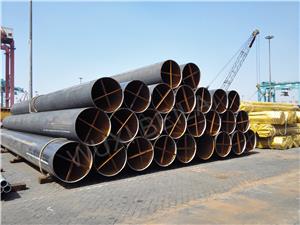
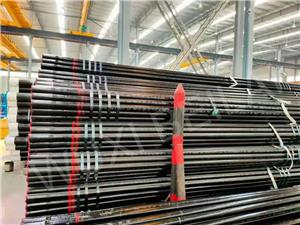
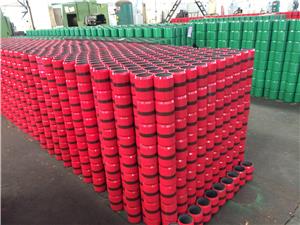
At BEILAI, we manufacture tubing casing as part of our complete oilfield tubular goods portfolio. Our production range covers hot rolling, upsetting, threading, and heat treatment, with strict dimensional and mechanical control. We support energy projects worldwide with qualified OCTG products for drilling designed for demanding field conditions.
Application Scenarios: Where Tubing Casing Works
Operators rely on oilfield tubular goods throughout the drilling and production lifecycle. During drilling, OCTG products for drilling stabilize the borehole and isolate formations. After completion, tubing casing supports long-term production flow.
In deep reservoirs, engineers prioritize tubing casing for deep wells because increased depth introduces higher temperature, higher pressure, and greater collapse risk. Reliable oilfield tubular goods must maintain tensile strength and resist deformation under extreme loads.
Offshore and shale developments also require certified OCTG products for drilling that provide consistent mechanical performance. For complex geology, properly designed tubing casing for deep wells ensures well integrity and production continuity.
Pain Points: What Buyers Care About
Well failure creates high financial and safety risks. Many buyers worry about collapse resistance and connection reliability. This concern drives demand for qualified oilfield tubular goods with verified mechanical properties.
Thread performance remains another critical issue. Poorly machined threads compromise sealing. High-quality OCTG products for drilling must provide precise threading and tight tolerance control.
Corrosion also affects lifespan. In sour or high-pressure environments, tubing casing for deep wells must withstand chemical exposure without losing structural stability. Selecting experienced manufacturers of oilfield tubular goods reduces this risk.
Selection Criteria: How to Choose the Right Tubing Casing
Start with depth and formation pressure. These parameters determine whether standard grades suffice or whether tubing casing for deep wells with enhanced strength becomes necessary.
Next, verify compliance with international standards for OCTG products for drilling. Material grade, yield strength, and impact performance should match project specifications. Buyers should request full traceability documentation for oilfield tubular goods before confirming orders.
Connection design also matters. Proper upsetting and threading improve torque capacity and sealing performance. Reliable OCTG products for drilling must deliver stable joint integrity under repeated load cycles.
For deep operations, collapse resistance testing strengthens confidence in tubing casing for deep wells performance.
Parameter Recommendations from Manufacturing Practice
Wall thickness and outside diameter must align with downhole stress calculations. Engineers selecting tubing casing for deep wells should evaluate burst, collapse, and tensile ratings together.
Heat treatment improves strength uniformity. Controlled production enhances consistency across batches of oilfield tubular goods. At BEILAI, we monitor rolling temperature and heat treatment cycles to maintain mechanical balance in our OCTG products for drilling.
Thread inspection remains essential. Each batch of oilfield tubular goods undergoes dimensional verification to ensure reliable field installation. For deep applications, enhanced inspection strengthens confidence in tubing casing for deep wells performance.
Questions Buyers Frequently Ask
How do I confirm deep well suitability?
Review collapse and tensile data for the selected tubing casing for deep wells.
Why choose certified OCTG instead of general pipe?
Because OCTG products for drilling meet strict oilfield mechanical requirements.
Is corrosion resistance necessary?
Yes. Many oilfield tubular goods operate in aggressive environments.
What ensures connection reliability?
Precision machining and inspection in OCTG products for drilling protect sealing performance.
Common Procurement Mistakes
Some buyers focus only on price per ton. That approach overlooks lifecycle risk. Qualified oilfield tubular goods may cost more initially but reduce long-term operational loss.
Another mistake involves ignoring threading quality. Even strong material fails if OCTG products for drilling lack accurate connection machining.
Underestimating downhole pressure also creates problems. Selecting underspecified tubing casing for deep wells increases collapse probability.
Conclusion
Tubing casing supports well integrity from drilling through production. Certified oilfield tubular goods provide the structural strength required in complex reservoirs. Reliable OCTG products for drilling protect connections and maintain pressure control. Properly specified tubing casing for deep wells ensures safe operation under extreme depth and load conditions.
At BEILAI, we combine advanced manufacturing capability, strict quality inspection, and energy-sector experience to deliver tubing casing solutions that meet real-world drilling demands.