News
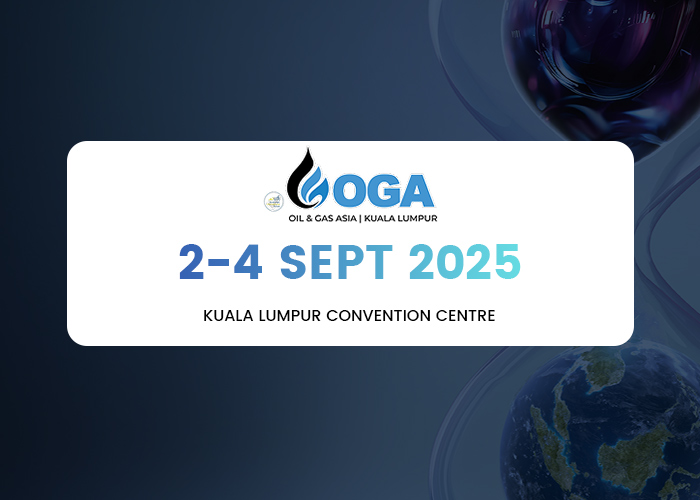
The oil and gas sector is undergoing one of the most dynamic shifts in history. Global demand for safer, more efficient, and environmentally responsible energy infrastructure is growing rapidly.
-
2506-2025
Supplying Critical Line Pipe Solutions for the Hail & Ghasha Development Project – A Showcase of Wuxi Beilai Tube Co., Ltd.'s Global Reliability
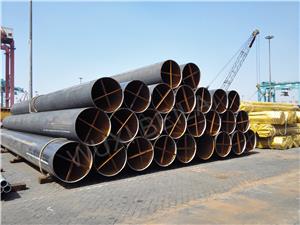
Wuxi Beilai Tube Co., Ltd. is proud to have contributed to one of the United Arab Emirates’ most ambitious energy projects—the Hail & Ghasha Development Project, spearheaded by Abu Dhabi National Oil Company (ADNOC).
-
2706-2025
Supplying High-Performance Line Pipes for Kuwait Oil Company’s Water Facilities Upgrade
Wuxi Beilai Co., Ltd. is proud to support Kuwait Oil Company (KOC) in a landmark infrastructure initiative—the 633213-KOC 23059738 Water Facilities Upgrade Project. As a reliable and technically advanced supplier of seamless pipe solutions, Wuxi Beilai delivered over 750 metric tons of high-specification line pipes to this strategic project in Kuwait.
-
0709-2026
How to Choose the Right Stainless Steel Seamless Pipe for High-Pressure Applications
Choose the right stainless steel seamless pipe for high-pressure service. Compare grades, wall thickness, pressure ratings, and standards with BEILAI.
-
0506-2026
Copper Nickel Tube Applications in Marine Cooling Systems
Seawater systems are tough on materials. Once corrosion starts, maintenance costs rise fast and equipment life drops quickly. That's one reason the copper-nickel tube remains a common choice in marine engineering, offshore cooling, and desalination projects.
-
2609-2025
Comprehensive Low Temperature Pipe Installation Guide — BEILAI Expertise
BEILAI provides a comprehensive low temperature pipe installation guide covering preparation, insulation, welding, testing, and maintenance for reliable cryogenic piping systems.
-
1508-2025
BEILAI Seamless Steel Tube Heat Exchanger: Precision for Industrial Performance
BEILAI introduces seamless steel tube heat exchanger solutions with high durability, thermal efficiency, and reliability for industrial applications.
-
2608-2025
BEILAI Invites You to Experience Advanced Pipeline Solutions at OGA 2025
The oil and gas sector is undergoing one of the most dynamic shifts in history. Global demand for safer, more efficient, and environmentally responsible energy infrastructure is growing rapidly.
-
2207-2026
Beilai Launches Specialized Drill Pipe Training: Empowering Global Customer Service with Professional Expertise
To deepen the team's understanding of core products and strengthen technical service capabilities, Beilai recently organized an internal training session focused on drill pipe products. The program was designed to transform product advantages into tangible, customer-perceivable value through systematic learning.
-
1604-2026
Beilai group Showcases Full Range Seamless Steel Pipe Products at Tube Düsseldorf 2026, Demonstrating Strong Manufacturing Capabilities
From April 13 to 17, 2026, Tube Düsseldorf 2026, the world's most influential trade fair for the pipe industry, was held at Messe Düsseldorf. The event brought together over 2,600 exhibitors from more than 50 countries. Against the dual backdrop of the formal implementation of the EU Carbon Border Adjustment Mechanism (CBAM) and the transformation of China's steel industry toward reduced output, the exhibition served as a key platform for exploring green, low-carbon and high-quality development paths in the pipe industry. Wuxi Beilai Tube Co., Ltd. showcased its full range of seamless steel pipe products at the exhibition.
-
0408-2025
BEILAI Tubing Casing for Oil Wells: Strength, Sealing, and Performance
BEILAI, a leading manufacturer and global supplier of steel pipes, takes pride in providing top-tier tubing casing solutions specially engineered for demanding oilfield environments.
-
2008-2025
Alloy Steel Pipe Seamless vs Welded: A Complete Guide by BEILAI
BEILAI explains the key differences between alloy steel pipe seamless vs welded, helping you choose the right solution for industrial applications.
-
2610-2026
5 Key Factors to Consider When Selecting Welded Fin Tubes
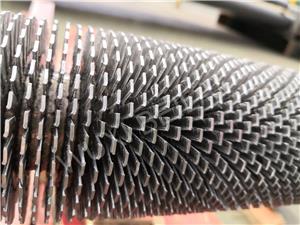
Choosing welded fin tubes for an industrial heat-transfer system involves more than selecting a tube with a large surface area. The right design must match process temperature, fluid conditions, heat duty, mechanical loads, and maintenance requirements. A poor match can increase pressure drop, accelerate fouling, or shorten equipment life.
-
2310-2026
Why Does Low Temperature Carbon Steel Pipe Fail? Brittle Cracking, Welding Flaws, and Thermal Cycling Explained
A low temperature pipe of carbon steel is constructed for applications where a regular steel pipe cannot hold an adequate degree of toughness when kept under the zero-degree conditions. It is used extensively in LNG terminals, chemical facilities, refrigeration installations, and other industries that need trouble-free operation at very low temperature.
-
2110-2026
7 Factors to Consider Before Buying Tubing and Casing
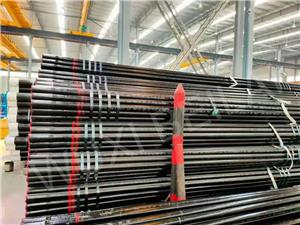
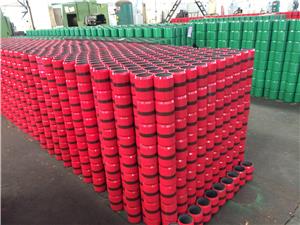
Choosing the right tubing casing is essential for well integrity, production efficiency, and long-term operating costs. Buyers must evaluate well depth, pressure, temperature, corrosion risks, dimensions, connections, and manufacturing quality before ordering.