Choosing the Right Boiler Tube for Reliable Steam Systems
Choosing the Right Boiler Tube for Reliable Steam Systems
Introduction
You know, in most thermal power systems it's the boiler tube that does all the heavy lifting behind the scenes. Water comes in through the boiler tube, soaks up heat from those combustion gases, and finally becomes steam to run turbines or support various industrial processes. If the boiler tube does its job right, the system hums along nicely. But one failure and everything comes to a stop.
That's exactly why pros treat every boiler tube like it's essential, not some basic pipe. All that high heat, nonstop pressure, and chemical stuff really wears on the boiler tube over time. To hold up, you need solid materials, tight manufacturing controls, and rigorous checks at every step.
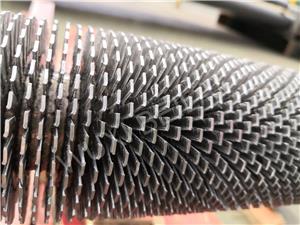
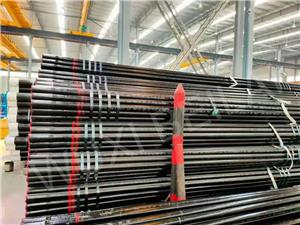
Operators in the field also keep an eye on the various tube types across different boiler parts. We're talking high pressure boiler tubing for tough spots, steam generation steel tubes for basic steam making, and superheater and reheater tubes for the hot zones. They each play unique roles in keeping the thermal system going strong.
This piece goes over real-world industrial cases, the big technical worries, and down-to-earth advice on selecting the ideal boiler tube.
Where Boiler Tubes Are Used
A thermal power plant's boiler tube network is basically the heart of how heat gets transferred. Thousands of tubes carry water while gases swirl around outside, pushing energy in.
Early on, it all hinges on steam generation steel tubes. You see, these steam generation steel tubes go right in the primary heating area to turn water into saturated steam. They run non-stop, so makers have to ensure steam generation steel tubes come with steady microstructure and uniform wall thickness every time.
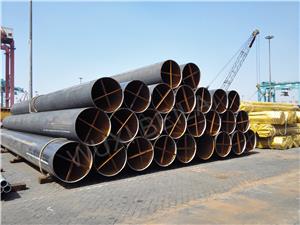
Once pressure builds, high pressure boiler tubing takes over. Teams place high pressure boiler tubing where the inside force gets extreme. With good high pressure boiler tubing, the boiler tube stays firm against all that mechanical strain and won't deform.
Down the line, superheater and reheater tubes step up. These superheater and reheater tubes crank up the steam temp beyond the boiling point. Nowadays in power plants, superheater and reheater tubes are key to bumping up energy efficiency overall.
Miss out on the proper balance of steam generation steel tubes, high pressure boiler tubing, plus superheater and reheater tubes and your whole boiler tube system just won't hold up.
Common Challenges in Boiler Tube Operation
Anyone running boilers day in day out gets how rough it is on a boiler tube.
Biggest headache is temperature changes. Start-ups and shut-downs make every boiler tube expand and shrink again and again. Eventually thermal cycling leads to cracks unless the material holds its own.
Pressure hits the tube hard as well. For high-output boilers, they count on high pressure boiler tubing for keeping everything intact. Lacking strong enough high pressure boiler tubing, the boiler tube might just fail from all the ongoing stress.
Then there's corrosion to worry about. The water's chemistry, oxygen levels, and burn leftovers mess with the boiler tube inside. That's where well-made steam generation steel tubes shine with their built-in resistance to scale and oxidation.
Hot zones demand even more. There, crews go with superheater and reheater tubes made to handle the extra heat. Good superheater and reheater tubes stay reliable no matter how high the steam temp climbs.
How Engineers Select the Right Boiler Tube
It starts with getting the operating conditions down pat when picking the right boiler tube. Experts look at temps, pressures, and service life goals to pick the material.
High pressure areas call for high pressure boiler tubing without question. Solid high pressure boiler tubing offers thicker walls plus better strength so the boiler tube handles heavy loads safely.
Efficiency in moving heat matters a ton for the decision. Plants pick steam generation steel tubes often because these steam generation steel tubes keep thermal performance steady over extended cycles.
The hottest spots need superheater and reheater tubes for defense against oxidation and fatigue. Adding well-made superheater and reheater tubes can really stretch out the boiler tube network's life.
How it's made counts big too – exact shaping, heat treating, and size accuracy all decide a boiler tube's service duration.
Recommended Technical Considerations
Checking out a boiler tube means looking at several main factors.
Start with wall thickness and how close the diameter stays. A boiler tube that's off in size causes uneven heating.
Pressure handling comes next. Any certified high pressure boiler tubing has to pass rigid strength tests. Quality high pressure boiler tubing lowers leak or break risks.
Staying resistant to heat is vital. Facilities count on steam generation steel tubes that don't change metallurgically during long heat periods. These steam generation steel tubes help keep heat transfer even.
Super hot sections benefit from superheater and reheater tubes that fight oxidation better. When placed right, superheater and reheater tubes make sure the boiler tube network runs well even in harsh setups.
Mistakes Buyers Should Avoid
Lots of firms don't realize how much proper tube choice matters. They often grab cheap options that skip the required standards.
Projects sometimes stick with standard pipes instead of high pressure boiler tubing. Without the right stuff, the system can't take the pressure.
Wrong positioning hurts too. Using normal tubes in places that need superheater and reheater tubes cuts the equipment's life short.
Last, material mix-ups happen. Swapping specialized steam generation steel tubes for everyday kinds drops efficiency and hikes repair bills.
Smart planning along with quality builds sidesteps these issues.
Conclusion
Today's energy systems still count on the boiler tube as a top structural piece. All boiler sections need quality tubing for safe steam output and solid heat transfer.
By putting together durable steam generation steel tubes, reliable high pressure options, and heat-resistant options for superheating and reheating, teams can create setups that run safely year after year. Manufacturers who stress material quality and exact production mean each tube delivers steady results in tough industrial spots.