Finned Tube vs Plain Tube in Heat Recovery Systems
Finned Tube vs Plain Tube in Heat Recovery Systems
Introduction
In industrial cooling and heat recovery systems, the difference between stable performance and constant energy loss often comes down to one component: the finned tube. Many factories still use plain tubes in applications where heat exchange efficiency matters most. The result usually looks familiar — higher fuel consumption, slower cooling speed, and reduced thermal performance over time.
At BEILAI, we manufacture industrial tubular products for boilers, air coolers, waste heat recovery units, and high-temperature heat exchange systems. In recent years, more buyers have shifted toward reliable high frequency welded finned tubes, professionally designed finned tubes for waste heat recovery, and durable finned tube heat exchanger solutions because industrial systems now demand higher thermal efficiency with lower operating costs.
A properly manufactured finned tube improves heat transfer area significantly while helping industrial systems operate more efficiently under continuous load.
Why More Plants Are Replacing Plain Tubes
A plain tube transfers heat through a limited surface area. Once system temperatures rise, efficiency drops quickly.
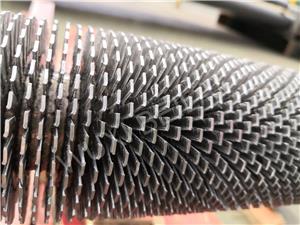
A modern finned tube solves this problem by increasing the external surface area around the pipe. The additional fins improve airflow contact and accelerate thermal exchange. That’s one reason power plants, refineries, and industrial cooling systems continue adopting finned tube heat exchanger solutions instead of traditional tubing structures.
In many air cooling systems, engineers now prefer high frequency welded finned tubes because the welding process creates stronger bonding between the fin and the base tube. Better bonding improves long-term heat transfer stability.
At BEILAI, customers working on boiler retrofits and energy-saving upgrades frequently request finned tubes for waste heat recovery because recovering unused heat directly reduces fuel consumption.
What Buyers Usually Compare First
Heat Transfer Performance
This is usually the first concern.
A standard finned tube transfers heat much faster than a plain tube under similar operating conditions. That’s why many industrial systems now rely heavily on finned tube heat exchanger solutions for continuous thermal operation.
Reliable high frequency welded finned tubes also maintain stronger thermal conductivity because the fins stay firmly attached during long-term service.
Maintenance Requirements
Some buyers assume every finned tube requires difficult maintenance. In reality, proper fin spacing and material selection reduce fouling problems significantly.
For high-dust environments, many engineers choose specialized finned tubes for waste heat recovery with wider fin spacing because airflow remains more stable during operation.
Operating Cost Differences
A cheaper plain tube may reduce initial investment, but energy consumption often becomes much higher later.
That’s one reason industrial facilities increasingly replace older systems with efficient finned tube heat exchanger solutions designed for lower fuel usage and faster thermal response.
Where Finned Tubes Perform Best
A high-quality finned tube works especially well in systems requiring rapid heat exchange.
Common applications include:
air coolers
waste heat recovery systems
economizers
industrial boilers
petrochemical cooling systems
In boiler systems, high frequency welded finned tubes often provide stronger structural stability under temperature fluctuation.
In energy-saving projects, finned tubes for waste heat recovery help operators capture unused thermal energy from exhaust systems and production lines.
At BEILAI, many industrial customers specifically request customized finned tube heat exchanger solutions because operating conditions vary heavily across industries.
Small Details That Affect Performance More Than Expected
Not every finned tube performs equally.
Fin height, fin spacing, tube material, and welding quality all affect thermal efficiency. Poor bonding between fins and the tube body reduces heat transfer performance quickly over time.
That’s why professionally manufactured high frequency welded finned tubes remain popular in demanding industrial applications.
Material selection also matters. Some systems require carbon steel, while corrosive environments may require stainless steel finned tube heat exchanger solutions for longer service life.
For high-temperature recovery systems, properly designed finned tubes for waste heat recovery usually improve overall thermal utilization substantially.
Conclusion
A reliable finned tube does more than improve heat exchange efficiency. It helps industrial systems lower energy consumption, improve thermal stability, and reduce operational waste.
Whether the project requires durable high frequency welded finned tubes, customized finned tube heat exchanger solutions, or efficient finned tubes for waste heat recovery, selecting the right structure and manufacturing quality remains essential for long-term industrial performance.
At BEILAI, we continue supplying industrial-grade finned tube products designed for demanding heat exchange applications worldwide.