What Causes Water Tube Boiler Tube Failure?
What Causes Water Tube Boiler Tube Failure?
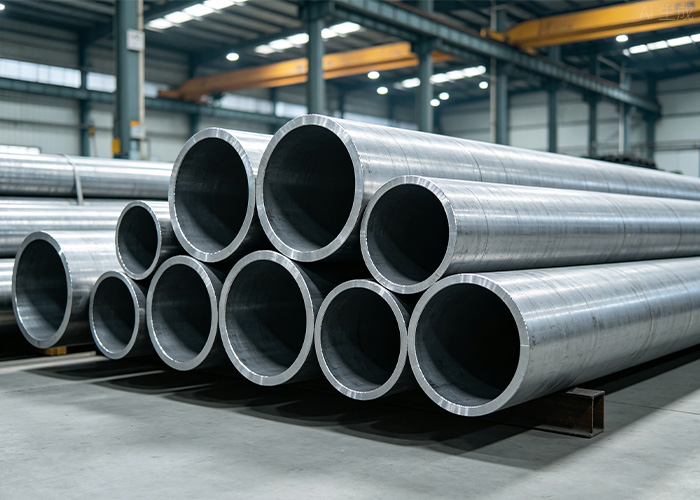
A water tube boiler tube can fail because of corrosion, overheating, scale buildup, erosion, cracking, poor water chemistry, or unsuitable material selection. These problems often develop gradually and can interact with each other.
Corrosion reduces wall thickness. Deposits restrict heat transfer and raise tube-metal temperature. Erosion removes metal from the external surface, while thermal cycling and stress can create cracks.
A tube leak is therefore often the final stage of a longer degradation process. Finding the root cause requires more than replacing the damaged section. Engineers should consider tube location, wall thickness, deposits, operating history, water chemistry, temperature, flow, and material records.
Why Does Corrosion Cause Water Tube Boiler Tube Failure?
Why can a water tube boiler tube leak even when pressure and temperature remain within design limits? Progressive corrosion is one common reason. It removes metal from the pressure boundary and can create deep pits that become failure points.
Boiler tube corrosion can occur on either the waterside or fireside. Dissolved oxygen, unfavorable pH, concentrated chemicals, deposits, and combustion products can damage protective oxide layers. Localized corrosion is especially dangerous because average wall thickness may remain acceptable while a small area becomes severely weakened.
Boiler water treatment problems can accelerate this process. Poor chemistry may encourage oxygen attack, caustic damage, or under-deposit corrosion.
The benefit of identifying corrosion correctly is that corrective action can target the environment rather than simply replacing tubes. Chemistry control, deposit management, inspection, and material compatibility can then be reviewed together.
This is particularly important for power plants, chemical plants, EPC contractors, and maintenance teams.
Expert Tip: Preserve the failed tube before cleaning it. Photograph the surface, mark its location and orientation, measure remaining wall thickness, and preserve representative deposits.
How Does Overheating Damage Water Tube Boiler Tubes?
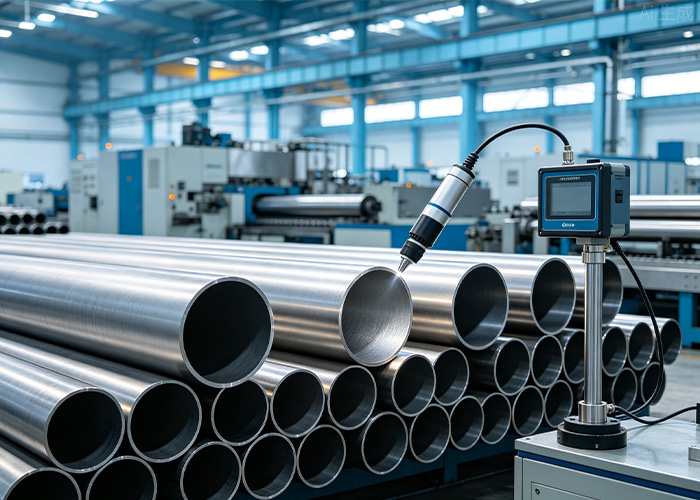
Why does a water tube boiler tube sometimes rupture when overall furnace temperature appears normal? The key is tube-metal temperature. Local overheating can occur when heat input exceeds the tube's ability to transfer heat safely to water or steam.
Restricted circulation, abnormal combustion, flame impingement, excessive deposits, and high local heat flux can raise tube temperature. Boiler tube scale buildup is particularly important because deposits create thermal resistance between the fluid and tube wall.
The result can be boiler tube overheating. Short-term overheating may cause rapid deformation and rupture, while long-term exposure can weaken the material and promote creep.
Identifying the thermal mechanism helps engineers correct circulation, deposits, combustion, or heat-transfer problems instead of automatically changing the tube material.
This matters especially in water walls, superheaters, reheaters, and other high-temperature sections.
Expert Tip: Treat tube bulging as a warning sign. Compare the damaged area with an unaffected tube and examine wall thickness, oxide condition, deformation, and operating history.
How Do Erosion and Cracking Damage Boiler Tubes?
Why do some tubes show directional thinning while others develop cracks with little visible wall loss? They represent different failure mechanisms.
Boiler tube erosion can result from fly ash, high-velocity flue gas, sootblower steam, or turbulent flow. The damage often appears as localized or directional thinning. Similar damage on several neighboring tubes can indicate a flow-related problem.
Boiler tube cracking may result from fatigue, thermal cycling, vibration, creep, residual stress, welding, or corrosion-assisted mechanisms.
Published failure data illustrates the importance of these mechanisms. One dataset reported creep or long-term overheating at 23.4%, fatigue at 13.9%, ash corrosion at 12.0%, and erosion at 6.5% of reported failures. These figures are from a specific failure dataset, not universal industry probabilities.
Separating erosion from cracking allows the corrective action to match the actual cause. Flow problems and sootblower conditions may need attention for erosion, while thermal cycling, welding, vibration, or stress may need investigation for cracking.
Expert Tip: Study the damage pattern, not just the rupture. Directional thinning can indicate flow-related erosion, while crack location and orientation can reveal stress or thermal effects.
How Do Water Chemistry and Scale Affect Boiler Reliability?
Can a correctly specified water tube boiler tube still fail because of water chemistry? Yes. Chemistry affects corrosion directly, while deposits can affect tube temperature indirectly.
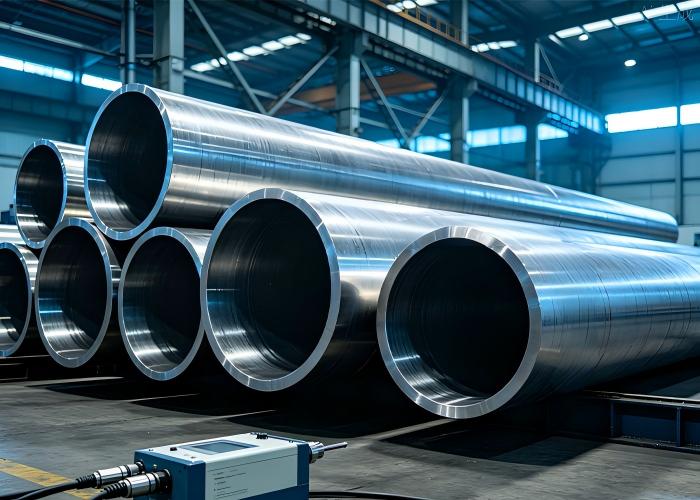
Boiler water treatment problems can increase oxygen attack, chemical corrosion, or deposition. Once deposits form, boiler tube scale buildup reduces heat-transfer efficiency and may create aggressive conditions beneath the deposit.
This creates a damaging cycle: poor chemistry encourages corrosion and deposits; deposits increase thermal resistance; higher tube-metal temperature can then contribute to boiler tube overheating.
Published investigations have linked boiler tube perforation with water chemistry and caustic attack, demonstrating why chemistry records should be considered alongside physical tube evidence.
Proper chemistry management therefore supports both corrosion control and stable heat transfer.
This is especially relevant to power plants, chemical facilities, and industrial boilers operating continuously.
Expert Tip: Compare chemistry records with the failure timeline. Review dissolved oxygen, conductivity, treatment parameters, blowdown, and deposit observations where applicable.
How Should You Select Tubes to Prevent Repeat Failure?
When selecting replacement tubes, the key question is not simply which water tube boiler tube is available. The tube must match service temperature, pressure, chemistry, dimensions, material requirements, and the applicable standard.
ASTM A210/A210M covers seamless medium-carbon steel boiler and superheater tubes, while ASTM A213/A213M covers seamless ferritic and austenitic alloy-steel boiler, superheater, and heat-exchanger tubes.
Boiler tube material selection should therefore begin with the actual service requirement. The RFQ should define grade, OD, wall thickness, length, manufacturing condition, operating temperature, design pressure, testing, and documentation.
The benefit is better technical control and less ambiguity between engineering, procurement, and manufacturing.
This approach is suitable for EPC contractors, boiler manufacturers, technical buyers, sourcing managers, and QA/QC teams.
Expert Tip: For replacement projects, include the original failure mechanism in the RFQ. Corrosion, overheating, erosion, and cracking may require different material or inspection considerations.
How Can a Tube Manufacturer Support the Project?
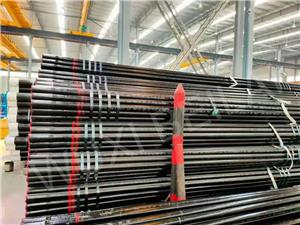
BEILAI's published product range includes boiler tubes, seamless steel tubes, heat-exchanger tubes, line pipe, and tubing and casing.
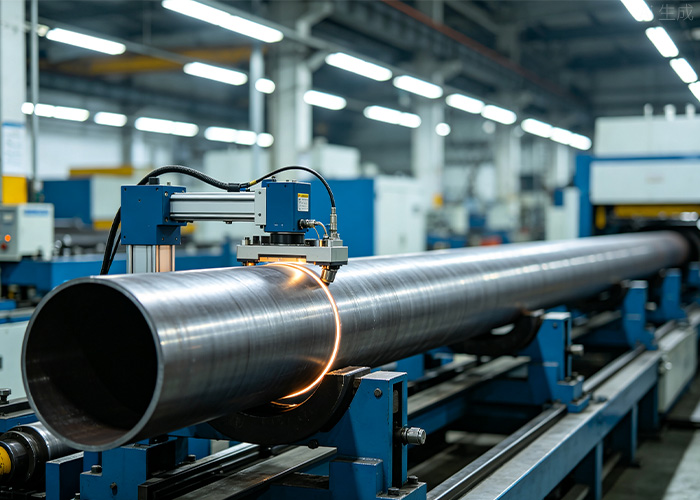
Its boiler tube range includes ASME/ASTM SA/A210 and SA/A213 grades for applications such as water walls, economizers, superheaters, reheaters, and steam pipelines.
For technical buyers, the key consideration is whether the manufacturer can match the required grade, dimensions, manufacturing process, testing, traceability, and documentation with the project specification.
For replacement projects, sharing the original failure mechanism also gives the manufacturer useful context when evaluating the replacement requirement.
Frequently Asked Questions
What are the main water tube boiler tube failure causes?
The main mechanisms include corrosion, overheating, erosion, cracking, fatigue, deposits, hydrogen damage, and water-chemistry-related degradation. The actual cause depends on tube location, operating conditions, material, and maintenance history.
How does boiler tube corrosion cause failure?
Boiler tube corrosion removes metal from the pressure boundary or creates pits and cracks. Oxygen, aggressive chemistry, deposits, and combustion products can all contribute.
What causes boiler tube overheating?
Boiler tube overheating occurs when tube-metal temperature becomes excessive. Restricted circulation, deposits, abnormal combustion, flame impingement, and high heat flux can contribute.
Can boiler tube scale buildup cause failure?
Yes. Boiler tube scale buildup reduces heat-transfer efficiency and can raise tube-metal temperature. Deposits can also promote localized corrosion.
What causes boiler tube erosion?
Boiler tube erosion can result from fly ash, high-velocity gas, sootblower steam, or turbulence. Directional thinning is an important diagnostic clue.
How do boiler water treatment problems affect tubes?
Boiler water treatment problems can increase corrosion, oxygen attack, and deposits. Deposits may then contribute to overheating by reducing heat transfer.
Why does boiler tube cracking occur?
Boiler tube cracking can result from fatigue, thermal cycling, vibration, creep, welding, residual stress, or corrosion-assisted mechanisms.
Conclusion
A water tube boiler tube can fail through corrosion, overheating, erosion, cracking, deposits, poor water treatment, or unsuitable material conditions. These mechanisms can interact, so root-cause analysis is more valuable than simple replacement.
For EPC contractors, boiler manufacturers, power plants, chemical facilities, and technical buyers, the replacement specification should clearly define material grade, dimensions, service conditions, applicable standards, testing, and documentation.
If you are sourcing water tube boiler tubes for a new project or replacement application, providing the complete technical requirement allows the manufacturer to evaluate the appropriate material and inspection scope before quotation.