Product News
-
2606-2026
Copper Nickel Tube Performance in Seawater Cooling
In marine engineering and offshore cooling systems, material failure usually starts with corrosion. Standard steel tubes may work for a short period, but once seawater exposure becomes continuous, the damage accelerates quickly. That is exactly why the modern marine industry increasingly depends on the copper-nickel tube. Many project contractors now prioritize long-term corrosion resistance instead of only comparing initial cost. As a result, demand continues growing for durable seawater resistant alloy tubes and stable copper nickel tubes for cooling systems.
-
2406-2026
Boiler Tube Leakage Problems in High-Pressure Systems
In thermal power plants and refinery systems, the reliability of a boiler tube directly affects steam stability, fuel efficiency, and equipment safety. Once a boiler tube starts leaking, the entire production line may slow down or even shut down completely. That is why industrial buyers now pay closer attention to material quality, dimensional accuracy, and long-term heat resistance.
-
2206-2026
Finned Tube vs Plain Tube in Heat Recovery Systems
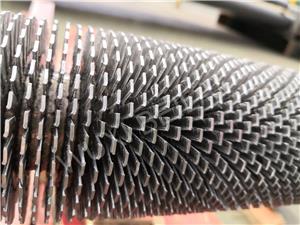
In industrial cooling and heat recovery systems, the difference between stable performance and constant energy loss often comes down to one component: the finned tube. Many factories still use plain tubes in applications where heat exchange efficiency matters most. The result usually looks familiar — higher fuel consumption, slower cooling speed, and reduced thermal performance over time.
-
1906-2026
Why Tubing Casing Failure Happens in Deep Wells
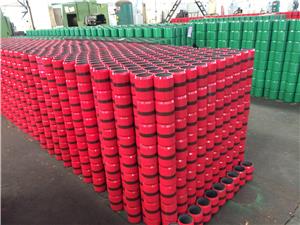
In oil and gas drilling projects, a failed tubing casing system can stop production immediately. Leaks, collapse, thread damage, and corrosion problems often begin underground long before operators notice visible warning signs at the surface.
-
1506-2026
Alloy Steel Pipe Buying Mistakes That Cause Early Failure
Many industrial pipeline failures do not happen because the pressure is too high. Most failures start much earlier, during material selection. Buyers often choose the wrong alloy steel pipe grade, ignore heat resistance requirements, or underestimate long-term operating temperatures.
-
1206-2026
Why Low Temperature Pipe Cracks in LNG Systems
A failed low temperature pipe usually creates problems long before operators notice visible damage. In LNG systems, petrochemical plants, and cold-region energy projects, small material mistakes often lead to shutdowns, leakage, or brittle fracture later.
-
1006-2026
Seamless Steel Tube Selection Guide for Industrial Use
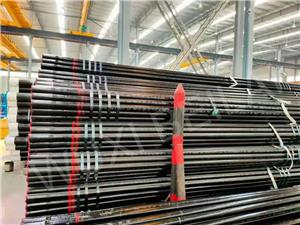
Choosing the right seamless steel tube is not as simple as comparing prices or checking dimensions. In real industrial projects, the wrong material can lead to leakage, pressure instability, machining problems, or even shutdowns. That’s why engineers in oil and gas, machinery manufacturing, hydraulic systems, and structural projects continue to rely on high-quality seamless steel tube products for demanding environments.
-
0806-2026
Line Pipe for Oil and Gas Transmission: Selection, Standards & Common Mistakes
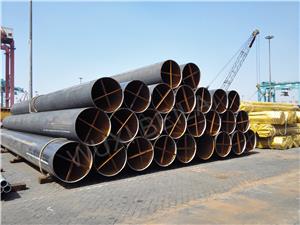
A reliable line pipe keeps an energy project running safely for years. In oil fields, natural gas systems, and long-distance transmission projects, engineers pay close attention to pipe strength, corrosion resistance, and dimensional stability. Once a pipeline fails, repair costs rise quickly and shutdown losses become difficult to control.
-
0306-2026
Boiler Tube Selection Guide for High Pressure Systems
In large boiler systems, small material problems rarely stay small for long. A damaged boiler tube can interrupt steam production, reduce efficiency, and increase maintenance costs very quickly. From what we’ve seen at BEILAI, many users focus heavily on the boiler itself but overlook the importance of the boiler tube inside the system.
-
0106-2026
Finned Tube Solutions for Industrial Heat Transfer Systems
In heat exchange systems, efficiency usually comes down to one thing—surface area. That’s the reason the finned tube is used so widely across industries today. A properly designed finned tube improves heat transfer without making the whole system larger or more complicated.