Copper Nickel Brass Tubes for Heat Exchangers and Condensers: Which Material Fits Your Application?
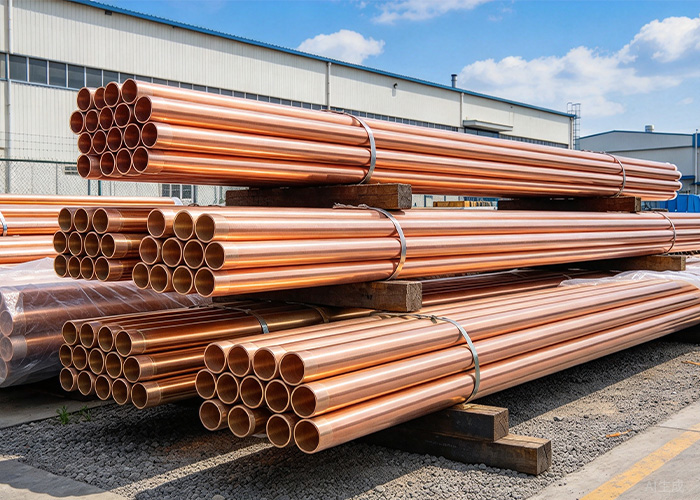
Copper Nickel Brass Tubes for Heat Exchangers and Condensers: Which Material Fits Your Application?
Selecting Copper Nickel Brass Tubes for Heat Exchangers and Condensers requires more than comparing material prices. The right tube must withstand the cooling medium, operating temperature, flow velocity, and maintenance conditions. Copper-nickel alloys and brass are both used in heat-transfer equipment, but their corrosion resistance and suitable operating environments differ.
For power plants, refineries, desalination facilities, and marine systems, choosing Copper Nickel Brass Tubes for Heat Exchangers and Condensers starts with the actual service conditions. Water chemistry, suspended particles, and flow velocity can affect tube life just as much as the alloy itself.
This guide compares common materials and explains what engineering and procurement teams should verify before placing an order.
How Do Copper-Nickel and Brass Tubes Perform Under Different Cooling Conditions?
The first step is to identify the cooling medium and its condition. Fresh water, treated cooling water, natural seawater, and polluted seawater can expose tubes to very different corrosion risks. Temperature, dissolved oxygen, chloride concentration, and biological growth also influence performance.
Copper nickel condenser tubes are widely used in marine and seawater cooling systems because copper-nickel alloys can provide good resistance to flowing seawater and erosion-corrosion when properly designed and operated. Common grades include 90/10 copper-nickel (UNS C70600) and 70/30 copper-nickel (UNS C71500).
The 70/30 alloy generally offers greater strength and can tolerate higher flow velocities in suitable designs. The 90/10 grade is often selected when its corrosion resistance and cost balance meet the operating requirements.
Brass heat exchanger tubes, including aluminium brass and admiralty brass, are also used in selected condenser and cooling-water applications. They can be cost-effective where water quality and operating conditions are well controlled. However, certain brass alloys can be vulnerable to dezincification or ammonia-related corrosion under particular conditions.
When evaluating copper nickel vs brass tubes, engineers should compare the specific grades and the environment rather than assuming one material is always superior.
Check these operating factors:
Chloride concentration, pH, dissolved oxygen, and contaminants
Sand or suspended particles that can accelerate erosion
Water velocity and turbulence near tube inlets
Marine growth, deposits, and cleaning methods
Startup, shutdown, and periods of stagnant water
The choice of seawater condenser tube materials must account for the actual water conditions. Guidance from the Nickel Institute and Copper Development Association explains that alloy performance depends on flow velocity, water quality, and system design.
Which Material Grades and Design Requirements Should Buyers Compare?
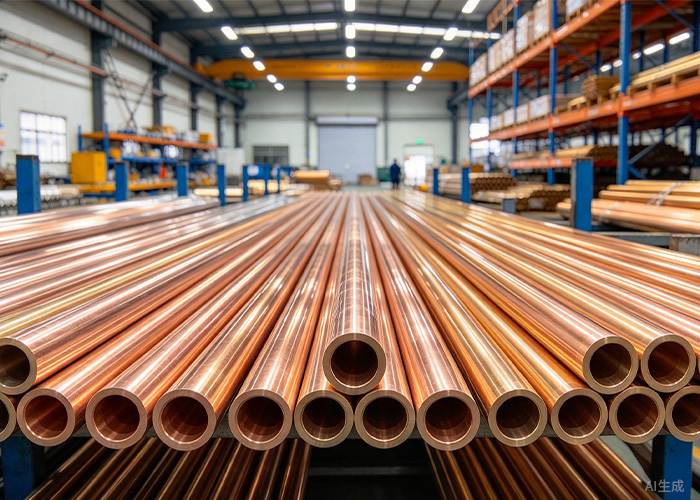
Material selection must balance corrosion resistance with mechanical properties, thermal performance, and compatibility with the exchanger design. Copper nickel heat exchanger tubing is commonly used in marine cooling systems, desalination plants, and power-station condensers, but the exact alloy should be selected against the project's operating conditions.
Material | General strengths | Important considerations |
90/10 copper-nickel (C70600) | Common seawater-service option; good resistance to flowing seawater | Velocity, sand, blockage, and water chemistry |
70/30 copper-nickel (C71500) | Higher strength; suitable for some higher-velocity duties | Cost, corrosion conditions, and design limits |
Aluminium brass (C68700) | Used in selected condenser duties; can be cost-effective | Water quality, flow velocity, and corrosion risks |
Admiralty brass (such as C44300) | Used in certain cooling-water services | Ammonia exposure, water chemistry, and dezincification risk |
These are general comparisons, not substitutes for engineering calculations. Even copper nickel condenser tubes can suffer erosion-corrosion if flow velocity, entrained sand, or local turbulence exceeds appropriate limits.
Likewise, brass heat exchanger tubes should be specified by exact alloy designation rather than a generic material name. Brass covers several compositions with different properties and corrosion behavior.
Confirm thermal and mechanical compatibility
Tube outside diameter, wall thickness, length, tube-sheet compatibility, and joining method must match the exchanger design. The material must withstand the specified pressure and temperature. Thermal conductivity matters, but it should be evaluated alongside corrosion resistance and wall thickness rather than used as the sole selection criterion.
For seawater condenser tube materials, also check compatibility with tube sheets, water boxes, and other wetted components. Galvanic effects and crevice conditions around tube joints can affect long-term reliability.
ASTM B111/B111M covers seamless copper and copper-alloy tubes for surface condensers, evaporators, and heat exchangers. Buyers should confirm the applicable edition, alloy designation, dimensions, temper, testing, and documentation requirements in the purchase specification.
How Can Procurement Teams Reduce Corrosion Risks and Verify Tube Quality?
Even a suitable alloy can fail prematurely if the exchanger is poorly operated or the supplied tubes do not meet the specification. Engineering, maintenance, and procurement teams should agree on inspection criteria before ordering Copper Nickel Brass Tubes for Heat Exchangers and Condensers.
Use this checklist when evaluating a supplier:
Confirm the exact alloy: Specify the grade and designation, not simply “copper-nickel” or “brass.”
Verify dimensions: State outside diameter, wall thickness, length, tolerances, and required tube condition.
Review material documents: Request material certificates, chemical composition, mechanical test results, and other records required by the specification.
Define inspection requirements: Specify dimensional checks, eddy-current testing or other nondestructive examinations, and project acceptance criteria where applicable.
Check traceability: Ensure the tubes can be linked to the relevant production batch and documentation.
Review handling and packaging: Prevent dents, contamination, and damage that could affect installation or service.
Maintenance planning is equally important. Maintain suitable flow velocity, remove debris before it enters the exchanger, and avoid stagnant polluted water during shutdowns where practicable. Cleaning methods should suit the selected alloy; overly aggressive cleaning can damage tube surfaces and reduce service life.
When comparing copper nickel vs brass tubes, consider maintenance frequency, replacement costs, downtime, and the consequences of leakage—not only the initial quotation. Copper nickel heat exchanger tubing may be a strong candidate for demanding marine and seawater duties, while brass can remain suitable for applications with less severe corrosion conditions.
BEILAI supplies industrial tube products. Buyers considering BEILAI for copper-nickel tube projects should confirm available alloy grades, dimensions, applicable manufacturing standards, inspection scope, and material documentation against their application. Providing cooling-water chemistry, operating conditions, drawings, and quantity requirements helps align the quotation with project needs.
Frequently Asked Questions
Are copper-nickel tubes always better than brass tubes for seawater?
Not in every situation. Copper-nickel alloys often provide strong resistance to flowing seawater and erosion-corrosion, but performance depends on grade, velocity, water quality, and design. The application should determine the material.
What is the difference between 90/10 and 70/30 copper-nickel?
The numbers refer approximately to copper and nickel proportions. The 70/30 grade generally offers higher strength and may suit some higher-velocity conditions, while 90/10 is widely used where its performance and cost are appropriate.
Which standard covers copper-alloy condenser tubes?
ASTM B111/B111M specifies seamless copper and copper-alloy tubes for surface condensers, evaporators, and heat exchangers. Buyers should verify the required edition and alloy designation.
What should buyers provide when requesting a quotation?
Include the alloy grade, tube dimensions, operating temperature and pressure, cooling-medium composition, flow velocity, quantity, inspection requirements, and delivery schedule.
Conclusion
Selecting Copper Nickel Brass Tubes for Heat Exchangers and Condensers depends on water chemistry, flow conditions, corrosion risks, mechanical requirements, and lifecycle cost. Compare specific alloy grades, confirm the applicable tube standard, and define testing and traceability requirements before ordering. A suitable material and a realistic maintenance plan can help improve condenser reliability and reduce unplanned replacement costs.