How to Choose Large Diameter Line Pipe for Pipeline Projects
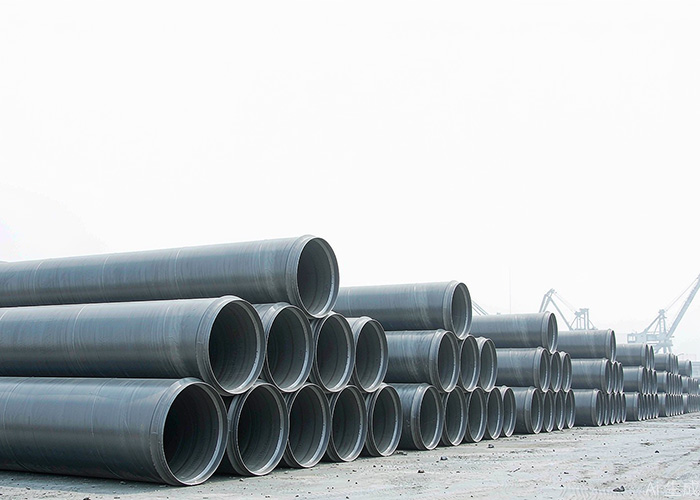
How to Choose Large Diameter Line Pipe for Pipeline Projects
Selecting large diameter line pipe is not simply a matter of choosing the largest available outside diameter. The pipe must match the pipeline's design pressure, fluid, operating temperature, terrain, installation method, corrosion environment and applicable standards.
For oil and gas projects, buyers commonly evaluate:
Outside diameter and wall thickness
Steel grade
PSL level
Pipe manufacturing process
Impact toughness
Weld quality
Hydrostatic testing
NDE requirements
Coating system
Traceability
API Spec 5L remains one of the key references for line pipe. In June 2026, API published its 47th edition, adding updated requirements covering areas such as HFW pipe quality, sour service, impact toughness, lamination control and CO₂ transportation.
The right selection therefore starts with the pipeline design, not the supplier's standard product list.
What Should You Check When Selecting Large Diameter Line Pipe?
The first question is: what does the pipeline actually require?
A large diameter pipeline may operate over hundreds of kilometers and carry oil, natural gas or other fluids under pressure. A pipe that looks suitable on paper may still be unsuitable if its grade, wall thickness or toughness does not match the project conditions.
Start with diameter and wall thickness
Diameter affects flow capacity, while wall thickness is closely related to pressure resistance and structural requirements.
The specification should clearly define:
Nominal outside diameter
Nominal wall thickness
Length
End type
Dimensional tolerances
Out-of-roundness requirements
Wall thickness should not be selected simply by copying another project. Internal pressure, external loads, corrosion allowance, installation conditions and design code requirements all need to be considered.
Select the steel grade based on service conditions
Higher grade does not automatically mean better pipe.
The appropriate grade depends on design pressure, wall thickness, fracture control, welding requirements and project economics.
For example, actual large-diameter pipeline projects have used X70 pipe in sizes such as 30 and 36 inches, with wall thicknesses varying according to project requirements.
Decide between PSL 1 and PSL 2
This is an important part of large diameter line pipe specifications.
API 5L defines two product specification levels. PSL 2 adds requirements related to areas such as chemical composition, mechanical properties, toughness and non-destructive testing.
For demanding oil and gas applications, the project specification should clearly identify the required PSL rather than leaving the decision to the supplier.
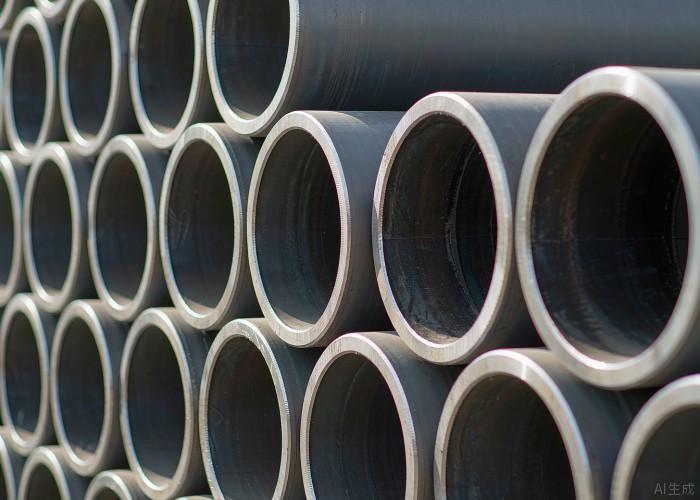
Which Standards and Tests Matter for Large Diameter Steel Pipe?
The second question is how do you verify that the pipe will perform in service?
For pipeline transportation, ISO 3183:2019 specifies requirements for both seamless and welded steel pipe and covers PSL 1 and PSL 2. ISO states that the standard supplements API Spec 5L requirements for petroleum and natural gas pipeline transportation systems.
API also updated Spec 5L to its 47th edition in 2026. The revision includes more than 15 technical areas, including:
HFW pipe quality
Hydrotest gauge calibration
NDE personnel certification
Impact toughness
Lamination control
Sour-service requirements
CO₂ transmission pipelines
Traceability and records
For a large diameter pipe for oil and gas, testing should therefore be considered part of the purchase specification rather than a final administrative step.
Typical requirements may include:
Mechanical testing
Depending on the grade and PSL:
Yield strength
Tensile strength
Elongation
Charpy impact testing
Non-destructive examination
NDE requirements can cover welds and pipe body areas according to the applicable specification and project requirements.
Hydrostatic testing
Each pipe length may require pressure testing according to the applicable standard and purchase specification.
Dimensional inspection
Large-diameter products require careful control of:
Outside diameter
Wall thickness
Ovality
Straightness
End geometry
This is especially important because dimensional variation can affect field fit-up and girth welding.
Corrosion protection
For buried or offshore applications, the pipe may also require a specified coating or corrosion-control system.
The coating should be selected together with the operating environment, transportation conditions and installation method.
How Should You Evaluate a Large Diameter Line Pipe Manufacturer?
The final question is often overlooked: how do you choose the supplier?
A qualified large diameter line pipe manufacturer should be evaluated on more than price and nominal production capacity.
Manufacturing capability
Confirm that the supplier can actually produce the required:
Diameter
Wall thickness
Grade
PSL
Length
Pipe manufacturing process
Large-diameter projects often use welded pipe technologies such as LSAW. The appropriate manufacturing route depends on the diameter, thickness, grade and project specification.
Quality system
Ask for evidence covering:
Raw material traceability
Chemical analysis
Mechanical testing
Weld inspection
NDE
Hydrostatic testing
Dimensional inspection
Final documentation
Project experience
A supplier with experience in similar projects may understand practical issues that do not appear in a basic product datasheet.
For example:
Large-volume production
Multiple pipe sizes
Strict PSL 2 requirements
Low-temperature impact requirements
Special coating requirements
International transportation
Project documentation
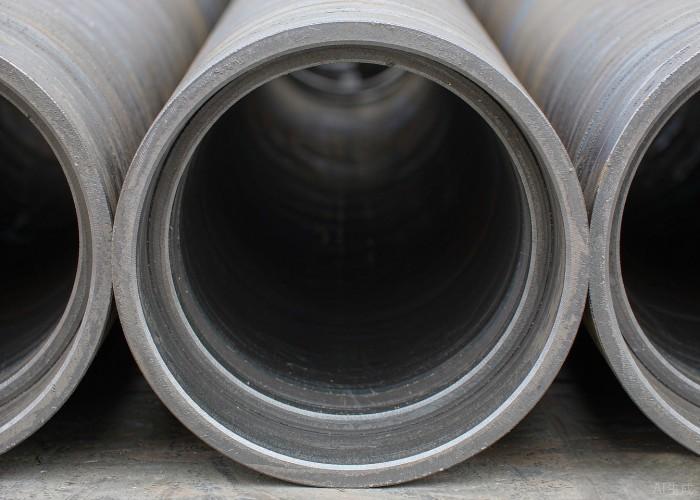
BEILAI's line pipe capability
BEILAI supplies API 5L line pipe for oil and gas applications and publishes grade information covering products from B/L245 through X80/L555. Its published product information also identifies yield strength, tensile strength and CVN requirements for applicable grades.
For buyers, the key is to match the BEILAI product specification with the project's engineering requirements rather than selecting a grade based only on availability.
Before placing an order, confirm these items
API / ISO standard and edition
PSL level
Grade
Outside diameter
Wall thickness
Pipe length
Manufacturing process
Impact testing requirements
NDE requirements
Hydrostatic testing
Coating requirements
Inspection documents
Marking and traceability
Packing and transportation requirements
This checklist gives procurement teams a much clearer basis for comparing a large diameter line pipe manufacturer.
Common Mistakes in Large Diameter Line Pipe Procurement
Choosing the highest grade available
Why: Higher strength does not automatically make a pipe more suitable. Welding, toughness and design requirements also matter.
Better Solution: Select the grade based on the complete pipeline design.
Treating PSL as a marketing label
Why: PSL 1 and PSL 2 have different technical requirements.
Better Solution: Specify the required PSL directly in the purchase specification.
Ignoring wall thickness tolerances
Why: Nominal thickness alone does not describe the actual dimensional condition of the pipe.
Better Solution: Include dimensional tolerances and inspection requirements.
Selecting a supplier only by price
Why: Large pipeline projects involve testing, documentation, coating, logistics and traceability in addition to pipe cost.
Better Solution: Compare technical compliance and total project requirements.
Using an outdated API 5L reference
Why: API published the 47th edition of API Spec 5L in June 2026.
Better Solution: Confirm the applicable standard edition before issuing the RFQ or purchase order.
FAQ
What is large diameter line pipe?
Large diameter line pipe is steel pipe used to transport oil, natural gas, water or other fluids over relatively large pipeline systems. In oil and gas applications, it is commonly manufactured to API 5L or related project standards.
What API standard is used for large diameter line pipe?
API Spec 5L is a key standard for line pipe used in pipeline transportation. API published the 47th edition in June 2026, with updated requirements for manufacturing, testing, inspection and several specialized services.
What steel grade is used for large diameter pipelines?
Grades such as X52, X60, X65 and X70 are widely used depending on project requirements. The correct grade depends on design pressure, wall thickness, toughness, welding requirements and applicable codes.
What is the difference between PSL1 and PSL2?
PSL 2 introduces additional mandatory requirements compared with PSL 1, including controls related to chemical composition, mechanical properties, toughness and NDE.
How do I choose a large diameter line pipe manufacturer?
Compare the supplier's ability to meet the required diameter, wall thickness, grade, PSL, testing, inspection, coating, documentation and delivery requirements. Project experience with comparable large diameter steel pipe is also worth reviewing.
Conclusion
Choosing large diameter line pipe should begin with the pipeline's actual operating and installation conditions.
The main factors are:
Diameter and wall thickness
Grade
PSL
Toughness
Manufacturing process
Testing and NDE
Corrosion protection
Traceability
Supplier capability
For oil and gas projects, API 5L and ISO 3183 provide important technical foundations, but the final pipe specification should always reflect the project's design conditions and purchaser requirements.
For buyers looking for large diameter pipe for oil and gas, BEILAI can evaluate the required grade, dimensions, testing and documentation against the project specification and provide a line pipe solution accordingly.