Copper Nickel Tube vs Stainless Steel: Lifecycle Cost and Corrosion Performance Compared
Copper Nickel Tube vs Stainless Steel: Lifecycle Cost and Corrosion Performance Compared
Heat Transfer Performance: Thermal Conductivity is an important Factor
Heat transfer performance has a direct impact on heat exchanger size and energy requirement. Hence, it is one of the major factors considered at design stage.
Copper nickel alloys are superior to most stainless steel materials in thermal conductivity resulting in quicker heat transfer. This advantage has enabled copper nickel tubes to be used in condensers, seawaters and industrial heat exchangers.
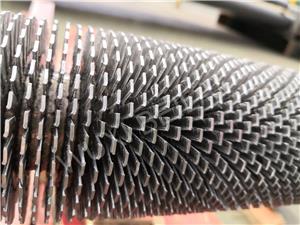
When considering copper nickel tube for heat exchanger applications, the engineers usually examine thermal efficiency, equipment size, and energy requirement. With better heat transfer capability, the materials can reduce the surface area requirement for the heat exchanger and improve efficiency of the whole system。
If heat transfer ability should come on top of all the factors, a copper nickel tube for heat exchanger solution is usually an effective way of fulfilling the objective.
Still, in those applications where higher mechanical strength and pressure resistance are the main requirements, stainless steel has its advantages.
Corrosion Resistance: The Biggest Difference Between Materials
Corrosion resistance is one of the very decisive factors between copper nickel and stainless steel tubes.
Due to improved corrosion resistance and saltwater resistance copper nickel can be an excellent choice for marine or offshore environments. This is why copper nickel is frequently used at vessels, offshore constructions, and coastal power stations.
Corrosion resistance performance of copper nickel tube corrosion resistance performance, among other factors is, evaluated by a chemical engineer.
A copper nickel tube corrosion resistance performance feature has a very great advantage in the case of long-period sea service.
In a lot of copper nickel tube for heat exchanger applications, corrosion resistance is one of the main factors that determine the interval of maintenance and the degree of equipment reliability.
Corrosion resistance can also be a major selling point for stainless steel especially stainless alloys with higher chromium and molybdenum contents. A major risk with stainless steel material is corrosion such as pitting if an appropriate grade of material is not selected especially with chloride-rich environments.
Seawater & Chloride Content: Choosing Material Correctly
Cooling with seawater results in highly challenging working conditions for a heat transfer unit as salt, oxygen and fluid motion may cause a quicker deterioration of the surface.
Copper nickel alloys have been repeatedly and highly effective in seawater use as they are able to make and sustain a very thin layer on the surface which is a protection against corroding elements.
It is a customary procedure for the engineers to evaluate the copper nickel tube for heat exchanger applications of marines, mainly seawater cooled equipment and condensers in terms of corrosion stability and not purely on mechanical strength.
To decide whether copper nickel tube corrosion resistance performance is sufficient enough to handle the long-term exposure to seawater and chloride conditions, a thorough analysis and investigation of this factor is a must.
In general, stainless steel can be quite effective as a material for seawater environments, but engineers may have to take care of the seawater chemistry and the operating conditions.
When it comes to a design of a heat transfer system or a cooling system using the circulated seawater, a copper nickel heat transfer unit is still one of the main favorites of engineers because they have proved that it can be reliable for a long time.
Mechanical Property & Erosion Resistance
Another area of material comparison is the physical characteristics i.e.
In terms of strength against mechanical failure stainless steel is superior in most cases. For example, if a device is going to be subjected to a high degree of structural stress and pressure it would make sense to use stainless steel as its material.
On the other hand, for the tubes of heat exchangers that will be operating with seawater under high water velocity the problem would probably be wear through erosion of the surface layer. Therefore, when analyzing materials for copper nickel tubes, engineers have to consider erosion resistance of the material as well as fluid velocity.
If the tubes for the heat exchangers of the ships are to be selected considering that the tubes are going to have a good corrosion resistance property but also be strong, a copper nickel material could be a better choice.
The Lifecycle Cost: Beyond the Initial Price
In addition to the initial purchase price, the overall cost of material selection should also consider lifecycle costs.
A low purchase price should not be the sole basis for low cost. For example, if a system is in a corrosive environment and needs maintenance after just a few months, then the purchase price plus the total operating cost will be even higher than with the more expensive materials if those materials are better at resisting corrosion.
With a stable corrosion resistance copper nickel material is able to reduce many corrosion-related failures especially in harsh environments.
While examining copper nickel tube for heat exchanger applications, one of main engineers’ criteria for selection will be the life of the service, frequency of maintenance and need for replacement.
The excellent copper nickel tube corrosion resistance performance of this material can be used in reducing the long-term requirement for maintenance work especially in those systems that use marine and seawater cooling.
Though stainless steel may be able to cope better under pressure for a specific type of high-pressure applications, the material selection should be finalized only after taking into account the whole work environment.
When do Material Experts Recommend Copper Nickel Tubes?
If your project involves copper nickel tubes, engineers suggest that you:
· Use marine condensers;
· Design seawaters cooling systems;
· Carry out works on offshore platforms;
· Set up a coastal power plant;
· Install a heat exchanger that will be exposed to chloride environments.
A material selection like copper nickel tube for heat exchanger will not only provide good heat transfer but also protection against corrosion.
Sometimes an actual performance evaluation of materials is needed. Engineers can find a variety of proven successful copper nickel tube heat exchangers that have been used in some harsh environmental conditions, like, for instance, marine applications.
Under what Circumstances is the use of不锈钢 (Stainless Steel) a Better Option?
Stainless steel may be the material of choice if a project needs:
· Good mechanical properties
· A high-pressure ability
· The ability to withstand different chemical environments
· Mechanical robustness
Industries that don't have severe seawater exposure can, for their systems, depend on stainless steel to provide them with a very dependable and long-lasting material.
The decision to pick one metal over the other should, rather, be based on the engineer’s requirements rather than a single metal being universally better.
BEILAI’s Service and Supports for Customers of Copper Nickel Tube Material
Beilai offers copper nickel tubes in different sizes to meet customers’ needs of condensers and heat exchangers.
The material, through strict quality control, dimensional inspection and testing, beilai can make sure customers' tubes deliver excellent long-term performance in demanding environment.
For customers who really care about copper nickel tube corrosion resistance performance, beilai is determined to supply good quality products all the time and come up with solutions according to your needs.
With its extensive portfolio in copper nickel tube for heat exchanger applications, beilai is able to assist the engineers in making tube materials selections that would suit the nature of their individual projects.
Summary
A copper nickel tube and a stainless steel tube are two materials that have different advantages.
A copper nickel material is usually an outstanding material especially if the system in question is to deal with seawater, it has excellent resistance against corrosion, and a good ability for transferring heat, Stainless steel may outperform in those cases where strength and higher pressure resistance are major requirements.
As material selection is concerned for engineers, it is vital to understand copper nickel tube for heat exchanger applications and assess copper nickel tube corrosion resistance performance so that the choice of a heat exchanger is based on reliable information.
The selection of an optimum copper nickel tube for heat exchanger material will not only save a lot of time and money but also ensure that a heat exchanger system will run very long with a lot of reliability and efficiency.