Alloy Steel Pipe Supplier for Demanding Industrial Applications: How to Choose the Right Partne
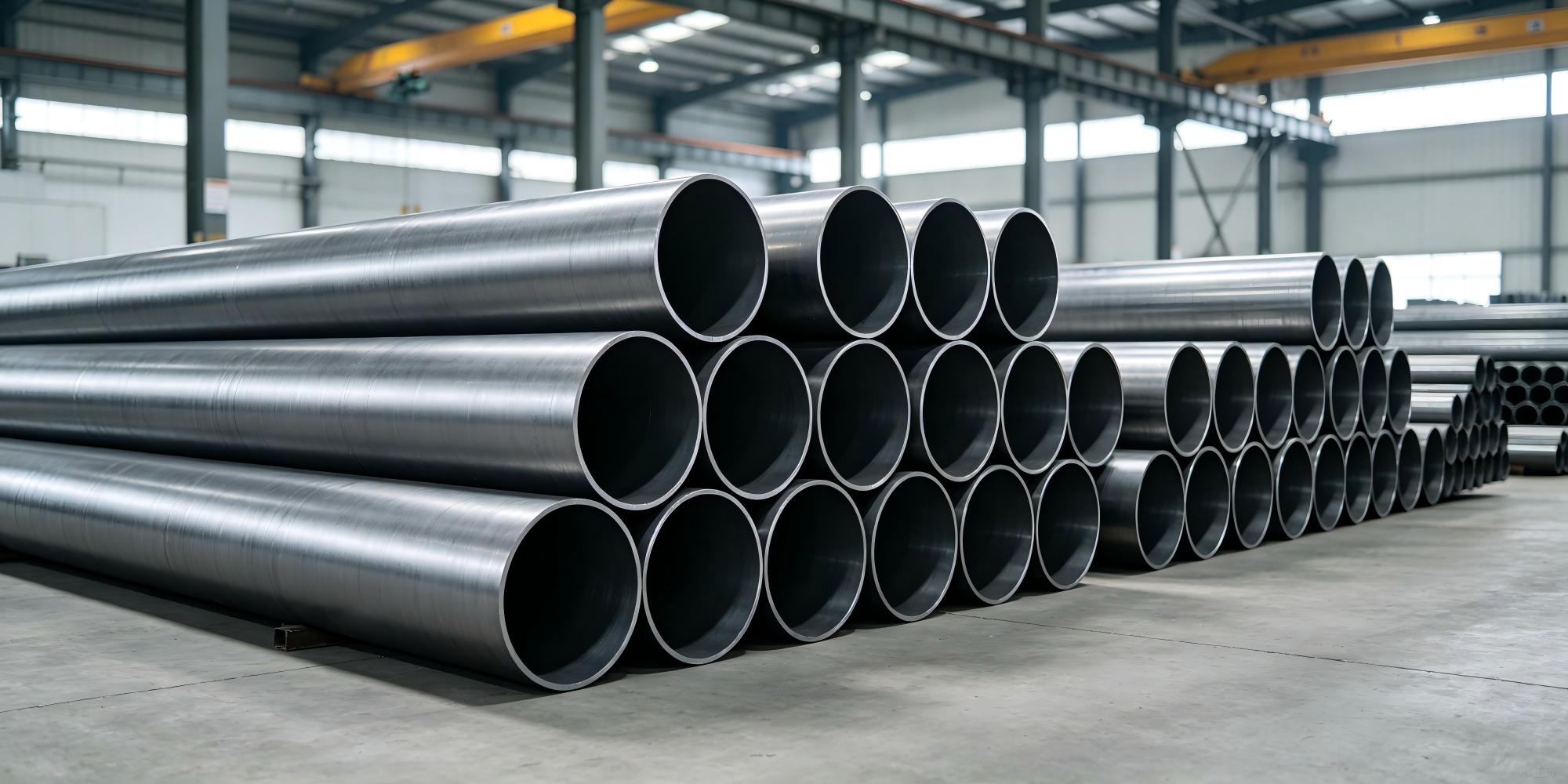
Alloy Steel Pipe Supplier for Demanding Industrial Applications: How to Choose the Right Partner
Industrial piping for oil and gas, power generation, chemical processing, and other demanding environments must handle temperature, pressure, thermal cycling, corrosion, and long operating periods. Choosing an alloy steel pipe supplier therefore requires more than comparing price per ton.
The right supplier should provide the specified grade, dimensions, manufacturing route, heat treatment, inspection, traceability, and documentation required by the project. ASTM A335, for example, covers seamless ferritic alloy-steel pipe for high-temperature service and establishes requirements for chemical composition, mechanical properties, testing, and examination. For buyers, the key is to match material and supplier capability with actual operating conditions.
Why does supplier capability matter for demanding alloy steel pipe applications?
An alloy steel pipe supplier affects material quality because final performance depends on more than the steel grade. Chemical composition, heat treatment, dimensions, mechanical properties, testing, and traceability must correspond with the purchase specification.
This is especially important for high-temperature and high-pressure systems. ASME B31.1 covers power piping and requirements related to materials, fabrication, testing, examination, operation, and maintenance. ASME B31.3 addresses process piping used in petroleum refineries, chemical plants, and other processing facilities.
For procurement teams, supplier evaluation should therefore cover both product and quality-system capability. A supplier may offer the required grade but still create project risk if it cannot provide material certificates, inspection records, heat-treatment information, or traceability.
A capable supplier should demonstrate control over:
l Material identification and heat numbers
l Chemical and mechanical testing
l Heat treatment
l Dimensional inspection
l Hydrostatic or applicable NDE testing
l Material traceability
l Packing and marking
l Production and delivery schedules
ISO 9001 provides a recognized quality-management framework, but certification alone does not prove that an individual order meets its technical specification. Buyers should connect the supplier's quality system with product-specific inspection evidence.
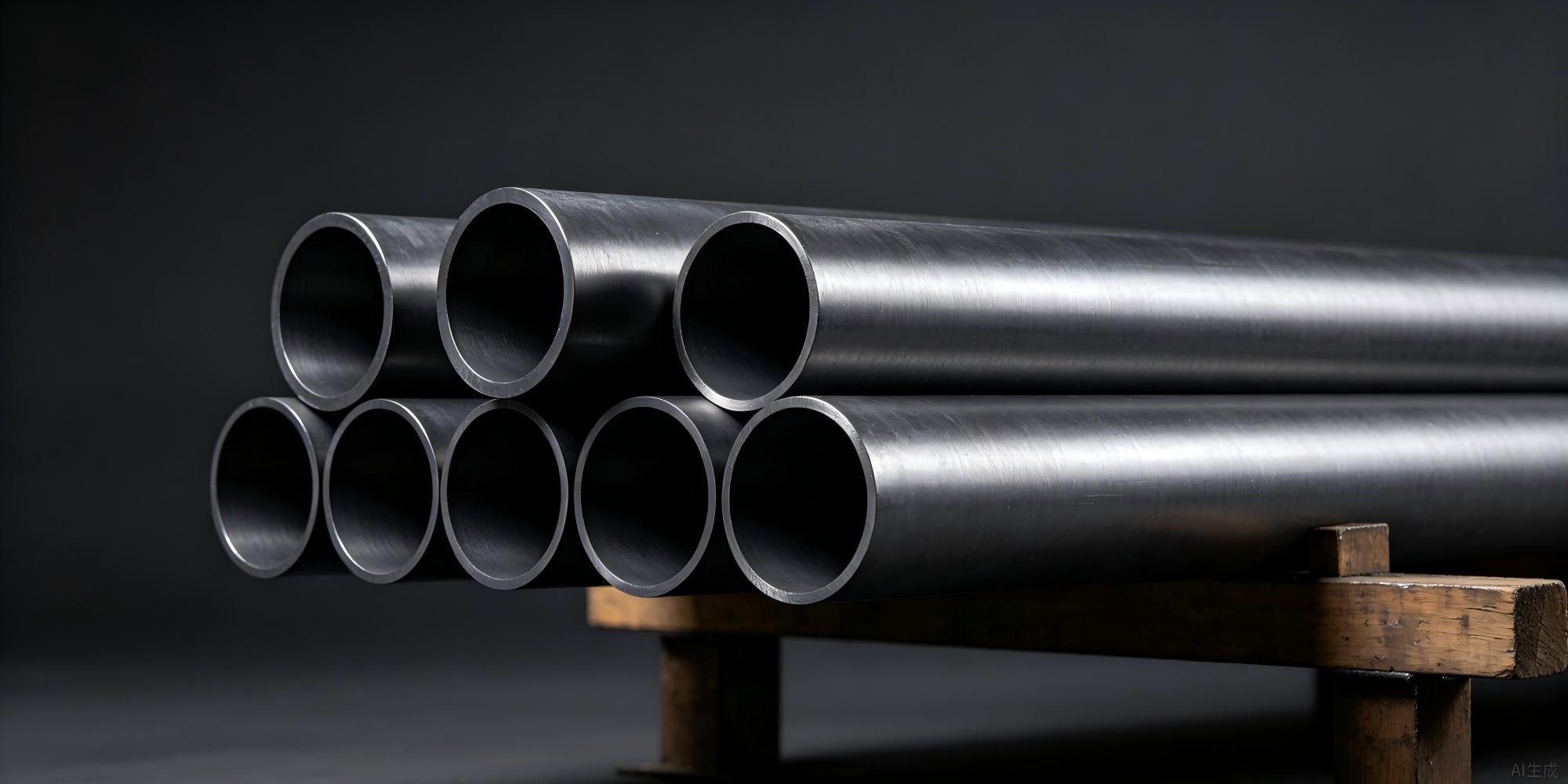
How should an alloy steel pipe supplier match grades with operating conditions?
The correct material starts with service conditions. An alloy steel pipe manufacturer should evaluate the required grade against design temperature, pressure, fluid characteristics, mechanical requirements, corrosion environment, welding conditions, and applicable codes.
ASTM A335 covers several ferritic alloy-steel grades for high-temperature service. Chromium-molybdenum grades such as P11, P22, and P91 are commonly used in demanding thermal applications, but they are not interchangeable because their chemistry and mechanical requirements differ.
ASTM A335/A335M includes requirements for chemical composition, tensile properties, hardness, heat treatment, and testing. BEILAI's A335/A335M product information lists sizes from 1/8 inch to 24 inches and schedules including SCH 10, SCH 40, SCH 80, SCH 160, and XXS.
For an alloy steel pipe for high temperature applications, buyers should confirm:
l Design and operating temperature
l Design pressure
l Required grade
l Wall thickness
l Heat-treatment condition
l Welding and PWHT requirements
l Inspection requirements
l Applicable standards
An alloy steel pipe for oil and gas may also require consideration of process chemistry, corrosion mechanisms, pressure class, and project-specific specifications. Materials engineers should establish these requirements before procurement.
What should buyers verify before selecting an alloy steel pipe supplier?
A reliable alloy steel pipe supplier should provide evidence connecting the supplied material to the project specification. This includes material test certificates, heat numbers, inspection results, dimensional records, and applicable testing documentation.
BEILAI lists A335/A335M alloy steel pipe for petroleum, natural gas, chemical processing, power, machinery, and energy applications. Its product information also identifies ASTM and ASME-related specifications.
The commercial evaluation should consider more than the quotation. Delivery capacity, inspection support, documentation, packaging, export experience, and non-conformance handling can affect the total project cost.
For alloy steel pipe for industrial projects, an RFQ should clearly state grade, NPS, schedule or wall thickness, quantity, length, applicable standard, testing, inspection, documentation, packing, and delivery terms.
This is particularly important for EPC contractors and QA/QC teams. Material that meets dimensional requirements but lacks traceability or required documentation can delay receiving inspection and project closeout.
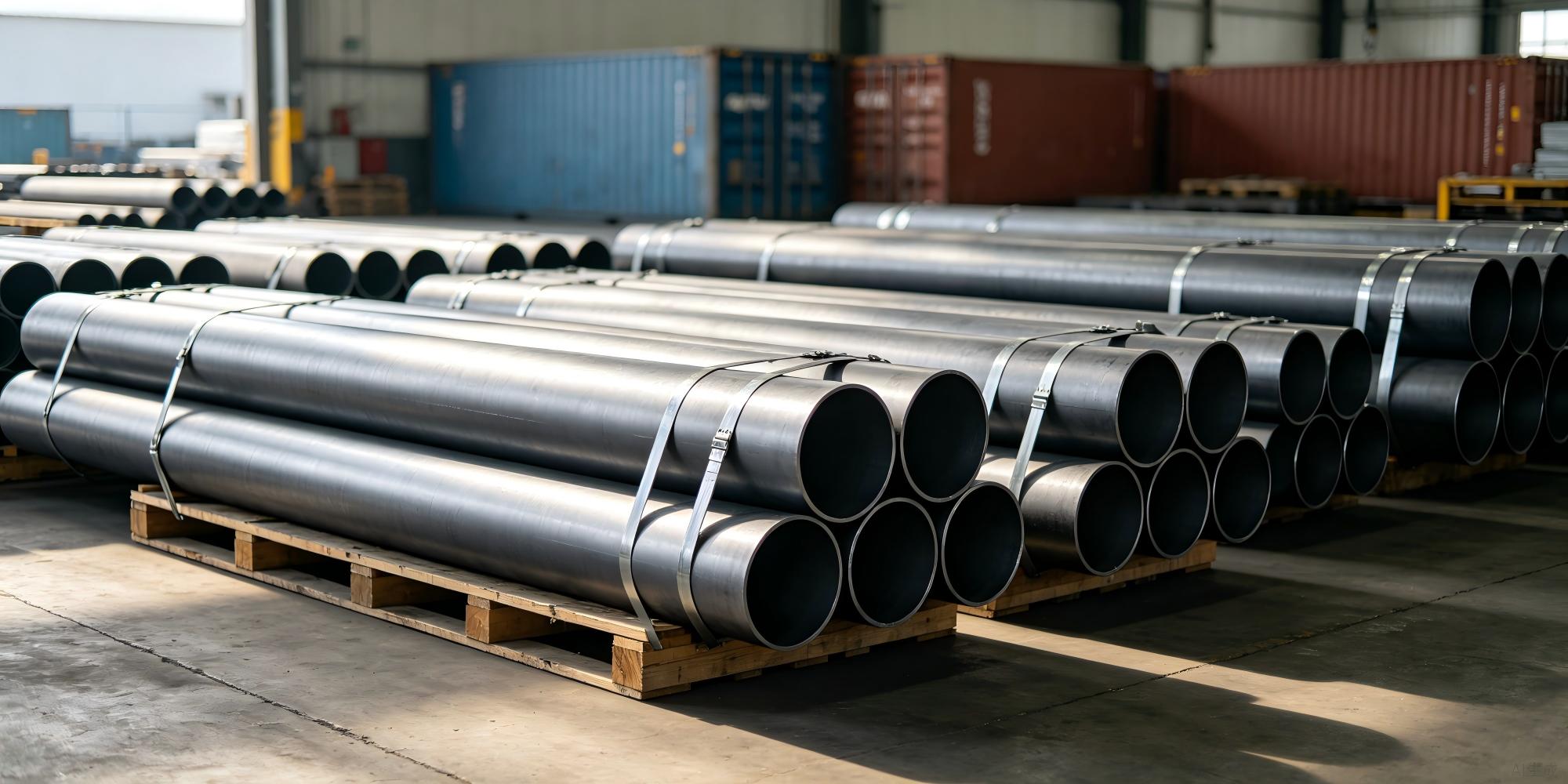
How can buyers choose an alloy steel pipe supplier based on project requirements?
How can buyers control the budget without sacrificing material requirements?
Compare the complete delivered cost rather than unit price alone. Include material, testing, inspection, certification, packaging, freight, and delivery when evaluating quotations.
For large orders, request a cost breakdown so suppliers can be compared on the same technical basis.
How should material requirements influence supplier selection?
Start with the approved material specification and confirm grade, standard, dimensions, heat treatment, and testing. Do not use the generic term “alloy steel” in place of a specific grade.
When purchasing an alloy steel seamless pipe, verify that the manufacturing method and inspection requirements comply with the applicable specification.
How does the application affect pipe selection?
Temperature, pressure, fluid composition, and corrosion conditions determine material requirements. An alloy steel pipe for oil and gas may have different requirements from pipe used in power generation or chemical processing.
For elevated-temperature service, creep strength, oxidation resistance, thermal cycling, and weldability can be important factors.
What should buyers check before installation?
Confirm dimensions, tolerances, pipe ends, marking, heat treatment, welding requirements, and inspection documents before shipment. Installation requirements should also match approved welding procedures and the governing piping code.
This is particularly important for critical alloy steel seamless pipe systems.
How should buyers evaluate supplier quality?
Review manufacturing capability, inspection procedures, traceability, certificates, testing facilities, and project experience. Request sample MTCs and quality documents before placing a major order.
An alloy steel pipe supplier should be able to explain how each heat or batch is traced through production and final inspection.
How should delivery and project support be assessed?
Check production lead time, available sizes, inspection scheduling, packing, shipping documents, and communication procedures. For EPC projects, delivery consistency can be as important as material price.
A supplier supporting alloy steel pipe for industrial projects should understand how delayed material can affect fabrication and installation schedules.
FAQ
What is an alloy steel pipe?
An alloy steel pipe contains controlled alloying elements such as chromium or molybdenum to achieve specific mechanical and service properties. ASTM A335 covers seamless ferritic alloy-steel pipe for high-temperature service. The exact grade must be selected according to temperature, pressure, service medium, and applicable requirements.
What are alloy steel pipes used for?
They are widely used in power generation, oil and gas, refineries, petrochemical plants, chemical processing, boilers, and other industrial systems. Their alloy chemistry can provide properties required for elevated-temperature and demanding service. Application conditions determine the appropriate grade and wall thickness.
What is the difference between alloy steel and carbon steel pipe?
Alloy steel contains controlled alloying elements that can improve properties such as high-temperature strength and oxidation resistance. Carbon steel generally contains lower levels of alloying elements. Material selection should be based on actual operating conditions and the governing specification.
Is alloy steel pipe suitable for high temperature service?
Specific alloy steel grades are designed for high-temperature service. ASTM A335 specifically covers seamless ferritic alloy-steel pipe intended for such applications. The appropriate grade still depends on temperature, pressure, allowable stresses, corrosion conditions, and fabrication requirements.
What is the difference between seamless and welded alloy steel pipe?
Seamless pipe is manufactured without a longitudinal weld seam, while welded pipe is formed and joined through welding. The correct construction depends on the applicable standard, size, service conditions, and project specification. ASTM A335, for example, specifies seamless alloy-steel pipe for its covered high-temperature applications.
Conclusion
Choosing an alloy steel pipe supplier for demanding industrial applications requires more than a competitive quotation. Grade selection, manufacturing, heat treatment, dimensions, inspection, traceability, documentation, and delivery all contribute to project reliability.
For oil and gas, power generation, chemical processing, boiler, and EPC projects, buyers should define technical requirements before comparing quotations. BEILAI supplies A335/A335M alloy steel pipe for industrial applications and can evaluate requirements based on grade, size, quantity, testing, and documentation.
For your next alloy steel pipe project, send BEILAI the technical specification and project requirements to discuss a suitable supply solution.