From Fuel Savings to Longer Lifespan: Alloy Steel Tubes Transform Power Plant Economics
From Fuel Savings to Longer Lifespan: Alloy Steel Tubes Transform Power Plant Economics
Energy-saving has been a crucial point of attention for power plants around the world. With rising expenses of fuel, emission standards becoming tighter, and demand for uninterrupted power source being on the rise, power technologies have had to evolve constantly over the years to meet these requirements.
From the viewpoint of an engineer, an appropriate selection of alloy steel tube is the deciding factor in determining the level of thermal efficiency, quality of equipment, and total cost of running of the operation over a long period.
Contemporary power plants have increasingly depended upon the advanced alloy steel tube applications so that they continue their operations safely under high temperatures and pressures as well as extend their equipment lifespan.
Increasing Steam Temperature/Pressure as a Result of Changes Made by Power Plants
Power plants, in general, have kept increasing the steam temperature as well as operating pressure for a few reasons like gaining more thermal efficiency and decreasing the fuel consumption at the same time.
Nonetheless, the change in operating conditions would put heavier pressures and more demands on the pipes.
To combat the degradation of material properties under extreme temperature, it is becoming the standard that a high temperature alloy steel tube for power plants is specified for the most critical parts of the equipment where continuous operation is highly demanded.
These explanations make clear why alloy steel tube applications are still expanding in modern industrial facilities.
Material Requirements for Running Operation under High Parameter
Engineers today not only check the creep resistance but also the oxidation resistance, strength under fatigue, ability to be welded and dimensional stability before choosing a alloy steel tube. They would expect that the material can withstand a continuous thermal stress condition for several thousand hours after being put into service.
For the supercritical or ultra-supercritical generating units, a high temperature alloy steel tube for power plants is preferred as it is more mechanically stable over the long-term than the conventionally produced steel products, thanks to the better strengthening elements of molybdenum and chromium which are present in small concentrations and that improve the mechanical properties without compromising the reliability of performance of the material in very demanding conditions.
This is one of the main functions of a proper selection of alloy steel tube applications in power plant engineering.
The Role of Alloy Steel Tubes in Enhancing Thermal Efficiency
Heat transfer is an important point to achieve more and better thermal efficiency.
Using an alloy steel tube allows boilers and superheaters to run safely even at very high temperatures, giving more efficient electricity generation without putting the structural integrity of the equipment in question.
Sincc high temperature alloy steel tube for power plants possesses features of being resistant to both creep and high temperature oxidation, designs with better steam parameters can be done safely by engineers. An increase in the steam temperature directly results in higher efficiency of the turbine and a reduction in the quantity of fuel used.
It is evident that the performance enhancement of the materials is one of the major contributing factors in the overall efficiency gains of a plant as is evidenced by several real case alloy steel tube applications.
Getting Reduced Maintenance Through the Performance of the Material
Maintenance planning is one of the big expenses for power plants.
The need to replace tubes is both a source of downtime as well as limiting the availability of the equipment for engineers, and they would look for the kind of material that can sustain the properties without any change during its extended service life.
A well-selected type of alloy steel tube presents good properties in terms of resisting thermal fatigue, oxidation, creep and other types of degradation. As a consequence, high temperature alloy steel tube for power plants generally have the need to be replaced a lot fewer times than conventional carbon steel tubes in similar operating conditions.
Lowering the number of preventive maintenance interventions has become one of the best advantages of the alloy steel tube applications offered by power generation companies trying to achieve a highly efficient operation.
Getting a Longer Lifespan of the Equipment
Power generation equipment is a long-lasting investment.
With each additional year of good working, the economics of the project gets better and the life-cycle costs get lowered.
The use of alloy steel tube is helpful in making equipment work longer by providing the needed property under very high temperatures in prolonged periods as well. The ability of a material to hold its structure and properties minimizes the chances of cracks, wall thinning or creep rupture appearing in it early on.
For power plants running 24/7, high temperature alloy steel tube for power plants demonstrates a perfect choice not only for enhancing equipment lifespan and improving the overall reliability of the facility but also from the viewpoint of reducing operating costs.
This fact of longer periods without a service explains exactly why advanced alloy steel tube applications continue to attract the interest of energy sector leaders around the world.
The Areas That Deliver the Major Benefit of the Application of Alloy Steel Tubes
In this section of the modern power plant, we will be exploring several key systems that utilize alloy steel tube products.
Boiler Systems
Boiler operates under a condition of continuous high-pressure and high-temperature. High temperature alloy steel tube for power plants is chosen by the engineers to ensure safe operation while facilitating an increase in thermal efficiency.
Superheaters
SUPERHEATERS are responsible for heating the steam even more before it gets to the turbine. These components expose the material to temperatures that are amongst the highest in the entire plant, so the importance of alloy steel tube applications for maintaining structural integrity cannot be overstated.
Heat Exchangers
Heat exchangers have to use materials with the highest ability for heat conduction as well as with sufficient durability in the long term. A high quality alloy steel tube can be relied upon to ensure consistent operation while significantly reducing the need for repairs.
Why Choose Us
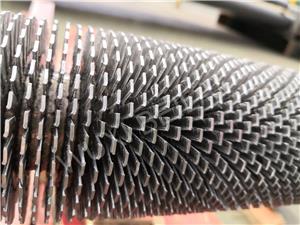
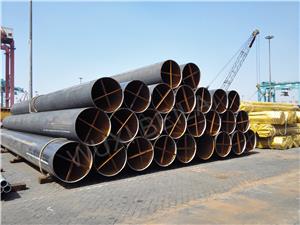
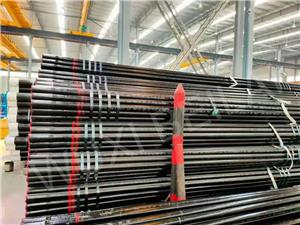
Every single alloy steel tube manufactured at BEILAI is done under the stringent quality standards. Our production process is based on raw material checking, accurate heat treatment, dimensional check up, mechanical testing, and the most comprehensive non-destructive testing methods available.
From one type of a boiler, superheater, or even heat exchanger, we have a full lineup of alloy steel tube applications covered for customers with good and consistent manufacturing quality. Our high temperature alloy steel tube for power plants is not only durable under very harsh conditions, it also is efficient at saving energy for a long run.